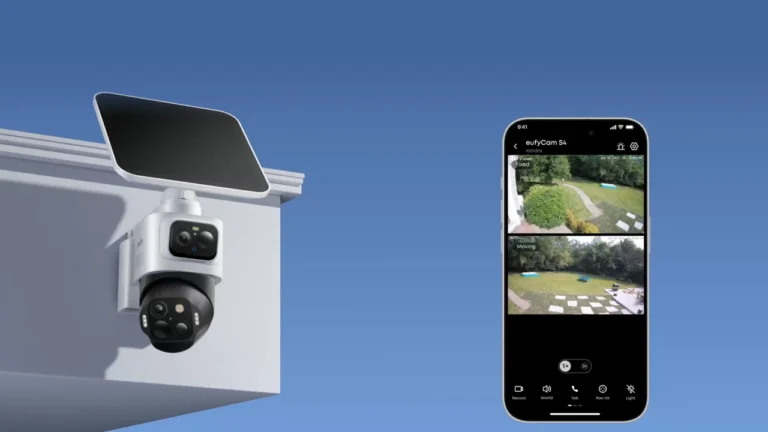

Walmart recently expanded its budget smart home lineup with new Walmart Onn Outdoor Camera devices running on Google software. These security devices offer low price points compared to traditional Nest hardware, but early buyers noticed a major advertised capability was completely missing upon launch.
What Happened With The Onn Outdoor Cameras
The budget lineup includes an outdoor camera and a floodlight model designed to integrate directly with the Google Home app. Product descriptions and official announcements clearly listed Familiar Face Detection as a primary feature for Google Home Premium subscribers. However, buyers who installed the devices found that the Google Home app claimed the cameras were not compatible with facial recognition.
After customer support representatives could not resolve the issue, an independent developer analyzed their account configuration data. The raw system logs revealed that Google hard-disabled the feature on the backend, marking the cameras as incapable. Public attention on community forums quickly forced Google to acknowledge that a firmware glitch caused the feature to remain turned off.
Why Outdoor Camera Buyers Should Care
Smart home hardware relies heavily on seamless software integration to deliver its primary benefits. When a company advertises key capabilities on the product box, buyers expect those features to work right out of the package. Missing software features directly reduce the security value of your setup and undermine trust in smart home ecosystems.
Google confirmed that a firmware patch is arriving in an upcoming update to restore facial recognition across all affected onn outdoor cameras. This software fix will deliver the advertised capabilities to buyers without requiring product returns or hardware swaps.
The Technical Breakdown Made Simple
The onn outdoor cameras use the Matter protocol to manage local controls, such as turning floodlights on and off. However, advanced artificial intelligence features like face recognition rely on cloud processing rather than on-device chips.
The system entitlement files contained a software tag that mistakenly blocked the cameras from sending facial data to Google cloud servers. The camera hardware itself possessed sufficient resolution to capture images for analysis. Google simply needed to update the device software to allow cloud servers to accept incoming video data from these devices. For additional details on how this bug was uncovered, you can review the original source report at LoganDev