
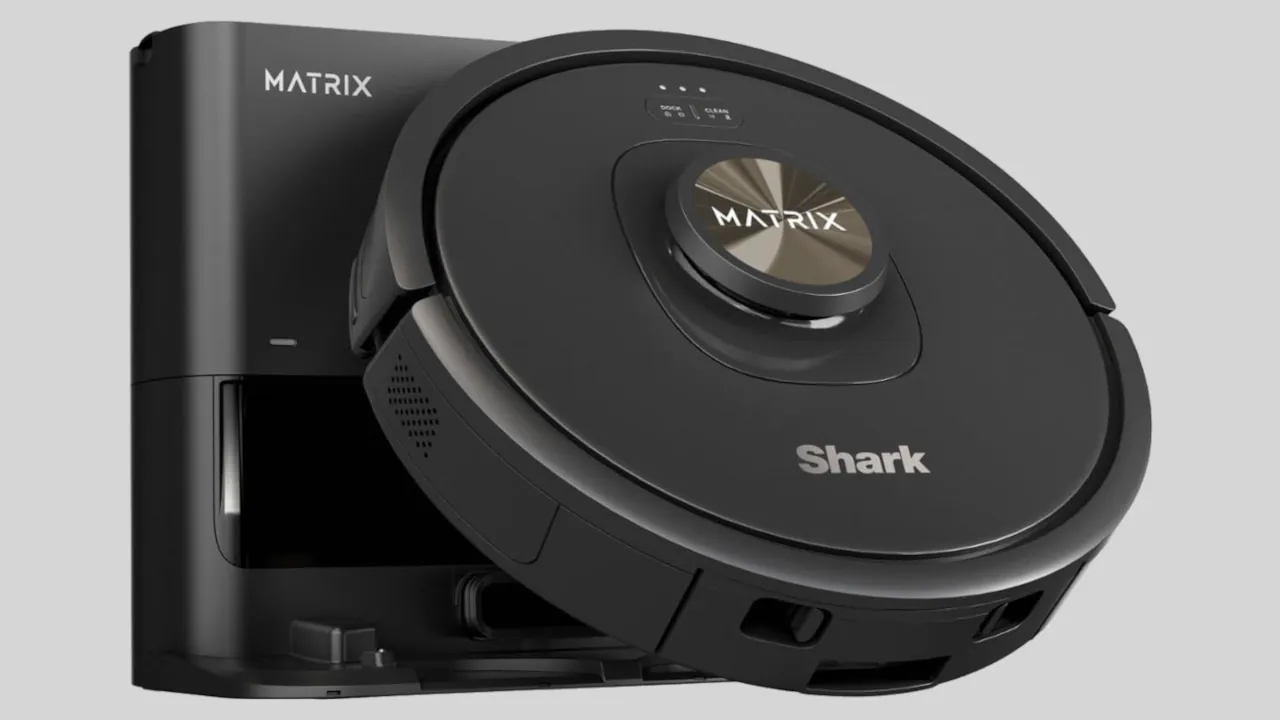
Major Security Flaw Hits Shark Vacuums
A major Shark vacuum security flaw uncovered by researchers is currently impacting thousands of smart homes. Security experts found a critical vulnerability that leaves sensitive data exposed. The issue remains completely unpatched months after being reported to the manufacturer. This problem stems from a misconfigured cloud security policy rather than a hardware defect.
Why You Should Care
Modern robot vacuums collect a massive amount of personal data to navigate your home. If exploited by a bad actor, this specific Shark vulnerability grants remote access to highly sensitive information. Attackers can view live camera feeds and download digital maps of your floor plan. They can even retrieve your home Wi-Fi passwords, which are reportedly stored in plain text. This creates a direct bridge for hackers to access your entire local network.
How The Flaw Actually Works
The vulnerability was discovered in March 2026 by a security researcher named tokay0. They reverse-engineered a Shark RV2320EDUS vacuum and found a major flaw in how the device talks to the internet.
Every smart device uses a digital certificate to securely identify itself to cloud servers. You can think of this certificate like a unique VIP pass for an exclusive club. However, SharkNinja configured their cloud servers poorly. Instead of a pass that only opens one specific door, the vacuum holds a master key. This master key can communicate with countless other Shark devices in the same cloud region.
The catch is that an attacker needs physical access to a compatible Shark vacuum first. They must manually extract that digital master key from the physical hardware. Once they have that single key, the rest of the attack happens completely remotely. The researcher noted that over 1.5 million Shark devices were observed in a single cloud region. Around 673,000 of those devices responded in a way that suggests they are vulnerable to remote commands.
What Shark Owners Should Do Next
Because the underlying problem exists on SharkNinja’s cloud servers, a simple firmware update will not fix it. The company must implement the required security changes on their own end.
SharkNinja has not released a patch or publicly announced a fix yet. Until the company resolves the cloud vulnerability, you should take preventative action. The safest temporary workaround is disconnecting your robot vacuum from your home Wi-Fi network. You can also disable all remote functionality to shrink the potential attack surface.
Read the full original report here: Digital Trends Source.
Image Credit: SharkNinja