

Learning how to choose the right robot lawn mower can completely transform your weekend routine. Handing your yard work to an automated bot saves hours in the summer heat. However, picking the best model is not as simple as buying a standard smart plug. Because these mowers work outside in unpredictable yards, matching the hardware to your terrain is critical. Here are five practical questions to ask before you buy.
How Steep Is Your Yard?
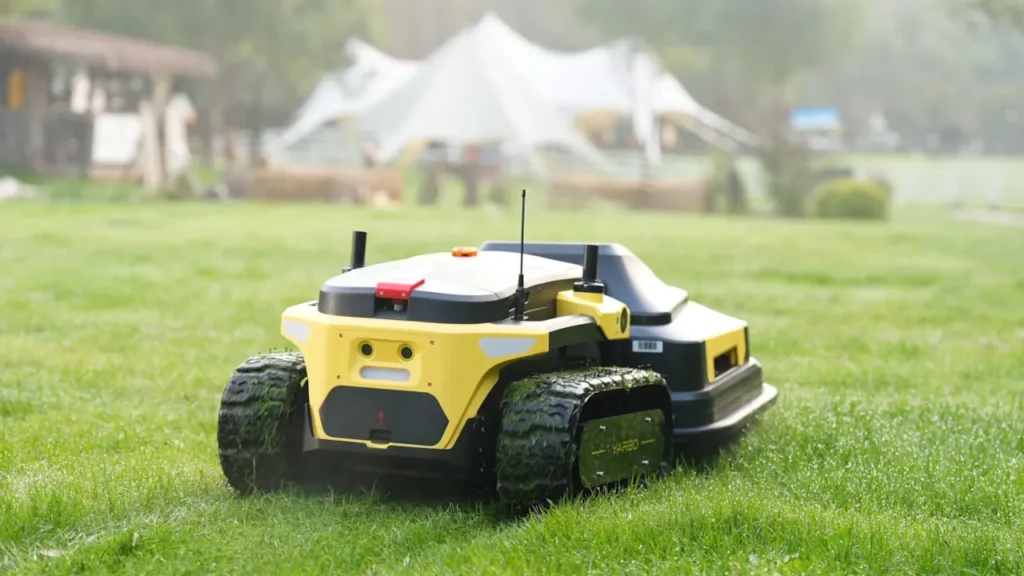
Just like buying a car, you need to consider the drivetrain. If you have a relatively flat and even lawn, a standard rear-wheel drive mower will work perfectly. However, if your yard features steep inclines, uneven dips, or thick muddy patches, you should invest in an all-wheel drive (AWD) model. AWD prevents the wheels from slipping and tearing up your grass when the robot tries to climb a difficult hill.
Are There Tall Trees or Buildings?
Robot mowers use two main navigation technologies: RTK and LiDAR. RTK relies on GPS satellites to map your yard. It is fantastic for wide, open spaces, but it requires a clear, uninterrupted view of the sky. If you have dense tree canopies or a tall house casting shadows over the lawn, the mower will lose its satellite connection and get lost. In those cluttered environments, look for a LiDAR mower. LiDAR works exactly like an indoor robot vacuum, bouncing invisible lasers off physical objects to navigate perfectly, even under heavy tree cover.
What Is Your Total Mowing Area?
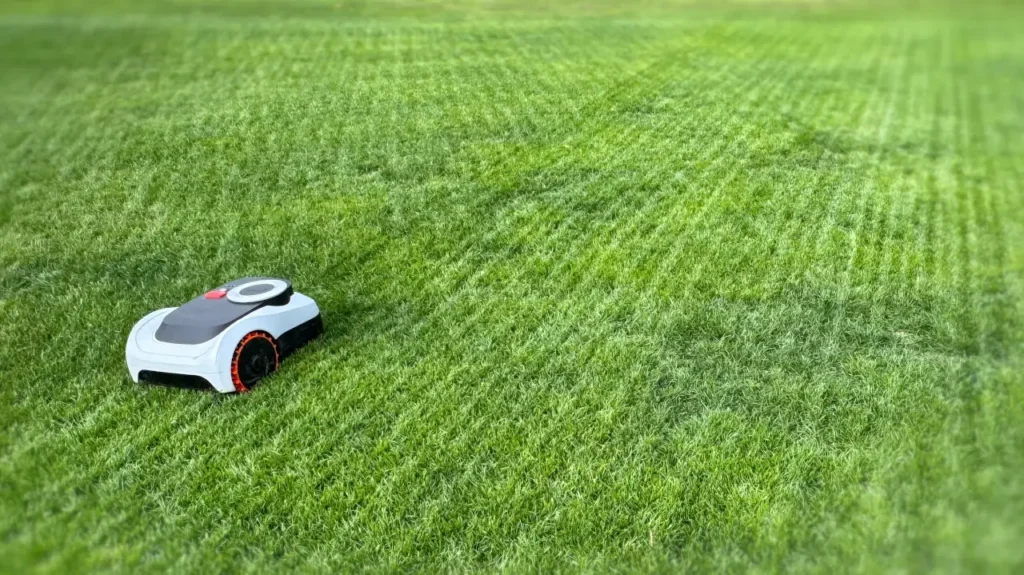
Mower manufacturers usually list a maximum acreage rating for each model, which is entirely based on the battery capacity. A mower designed for a quarter-acre lot physically cannot hold enough charge to cut a full acre in a single afternoon. To keep your lawn looking sharp, the robot needs to mow it two or three times a week. Buying a model with a larger battery ensures the bot spends more time cutting and less time returning to its base station to recharge.
Do You Have Separate Mowing Zones?
Very few people have one giant, uninterrupted square of grass. Your property is likely divided into a front yard, a backyard, and maybe a small side strip. When shopping, check the companion app features to ensure it supports multi-zone management. This allows the mower to automatically navigate a safe pathway from the front yard to the back, applying completely different cutting schedules to different areas.
Are You Prepared for the Setup?
Installing a robot mower requires a bit of network planning. If you choose an RTK satellite model, you may need to mount a dedicated antenna receiver on your roof to maintain a precise signal. Furthermore, your mower needs to stay connected to your home Wi-Fi to receive schedule updates, download firmware, and send alerts if it gets stuck. Standard wireless routers rarely push a strong signal through thick exterior walls. If your mower drops offline at the edge of the property, you will need to add outdoor networking gear. For a simple breakdown of how to fix this, check out our guide on how to Stop Losing Wi-Fi in Your Backyard.