
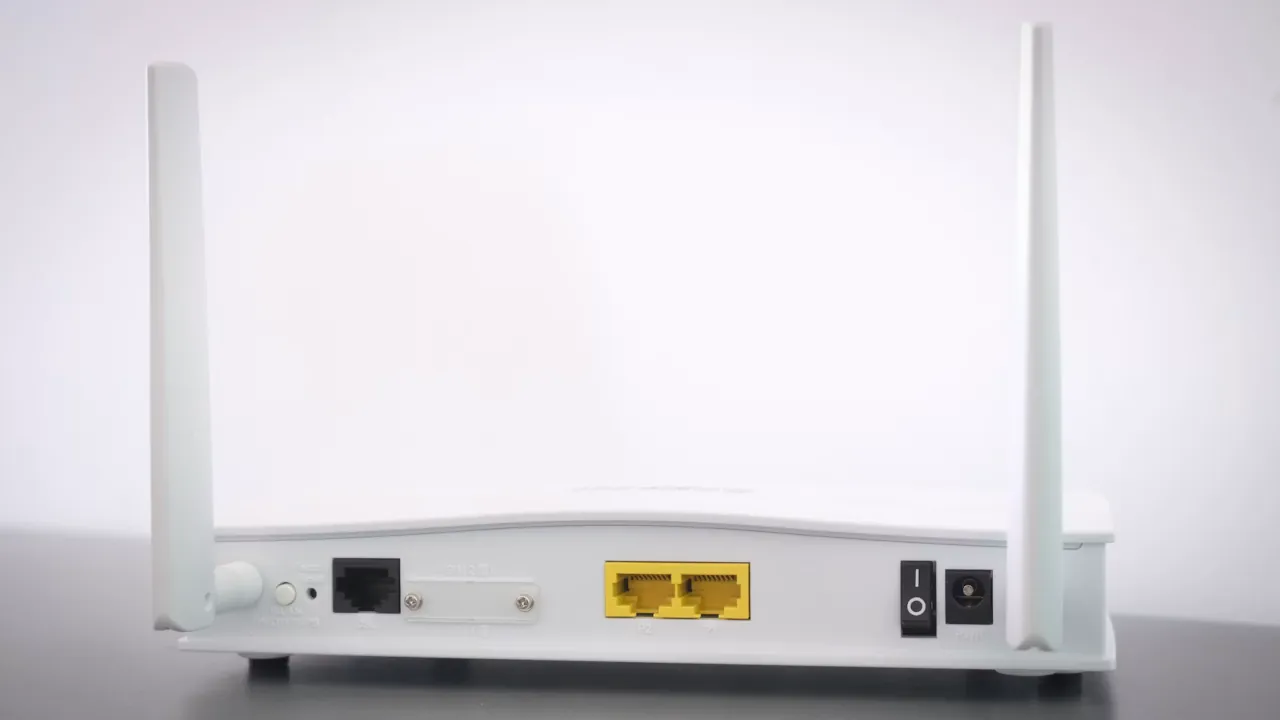
When comparing mesh Wi-Fi vs standard routers, the biggest difference comes down to handling traffic. You plug in a brand new smart bulb, but suddenly your video doorbell goes offline. This is a common issue as standard routers are not designed to handle dozens of wireless connections at the same time. Think of your standard internet router like a busy restaurant with only one waiter. If you only have a laptop and a television, the single waiter can serve everyone quickly. However, once you add ten smart plugs and a handful of smart cameras, that single waiter gets overwhelmed. Requests get dropped. Your smart devices disconnect because they cannot get a signal through the heavy traffic.
Why Mesh Networks Fix Device Drops
A mesh network system solves this problem completely. Instead of relying on one single box in the corner of your house, a mesh setup uses multiple smaller devices placed in different rooms. These devices talk to each other to blanket your home in a strong, stable signal. If we use the restaurant analogy again, you are adding more waiters to take orders. Systems like the Google Nest Wifi Pro or the TP-Link Deco XE75 distribute the workload efficiently. They route the background traffic automatically so your lights and locks respond the second you open your app.

Image Credit: Google
Smart Placement And Clean Cabling
Upgrading your equipment is only half the battle. You must place your primary network hub in a central, open location. Do not shove it inside a metal cabinet or behind a large television. For the absolute best performance, connect your main network node to your modem using a high-quality shielded ethernet cable. This shields the data from electrical interference caused by other nearby power cords. Keeping those cables neatly managed behind your desk or entertainment center also prevents physical damage and keeps the living space looking clean.
Knowing When To Make The Switch
You do not need a massive network upgrade if you only own a single smart speaker. The tipping point usually happens when you cross twenty total connected devices. Phones, computers, and smart home gadgets all count toward that total. Once your household reaches that threshold, investing in a proper mesh network will ensure everything works smoothly. Your devices will stop dropping off the network, and your smart home will finally feel reliable.