
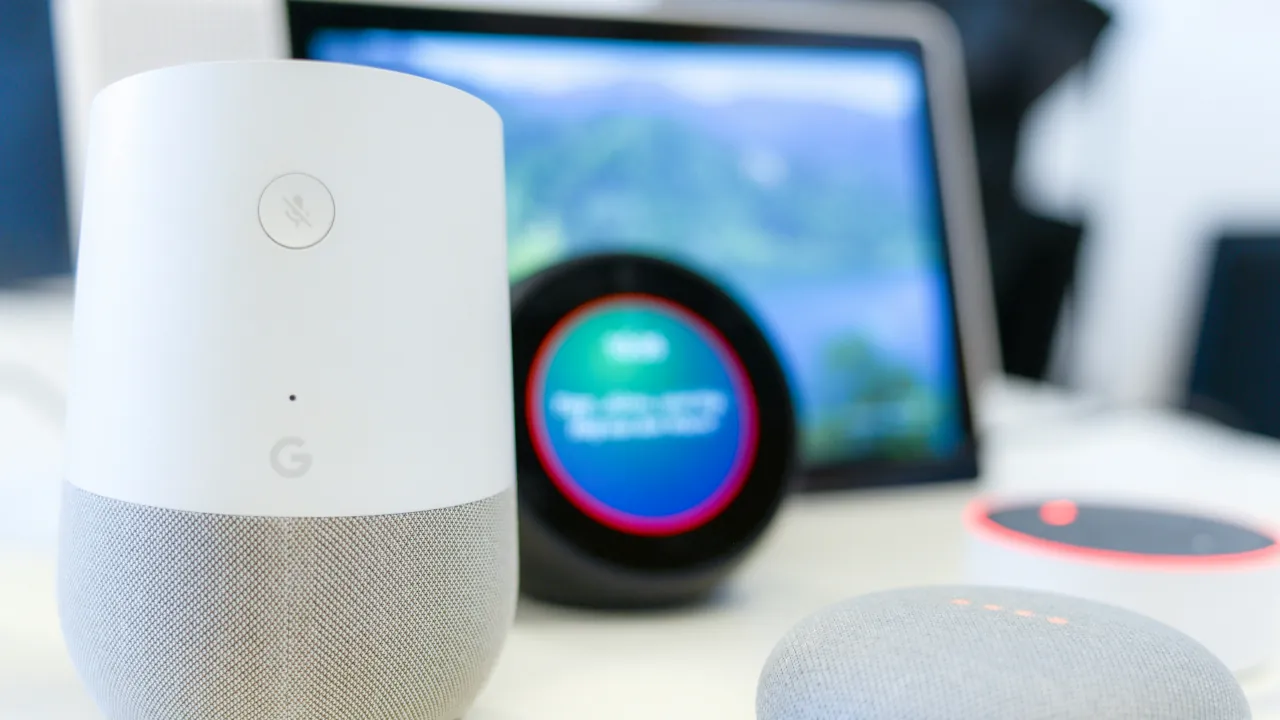
We have all been there. You ask your voice assistant to turn on the lights, and it replies that it found multiple devices with that name. This confusion usually happens because of poor naming habits during the initial setup process. Taking a few minutes to rename your gear will make your smart home respond perfectly every single time.
Group Devices by Room First
Before you change any specific names, you must assign every device to a room inside your companion app. Platforms like the Google Home App or the Apple Home interface use these room assignments to understand context. If you group a smart speaker and three smart bulbs into a digital room called Kitchen, you can simply walk into that physical room and say to turn on the lights. The system automatically knows you only mean the lights in that specific space.
Avoid Repeating the Room Name
A common mistake is putting the room name into every single device title. If you have a device named Living Room Lamp and another named Living Room Television, your assistant might get confused when you speak quickly. Keep the device names simple, like Main Lamp or Television. Since they are already assigned to the Living Room group, your smart speaker will not mix them up.
Be Specific With Plural Words
Voice assistants struggle when device names sound too similar or use plural words incorrectly. Naming one smart plug Light and another Lights is a guaranteed way to cause errors. Give each item a distinct physical description. Good examples include Desk Lamp, Sofa Plug, or Window Strip. This clarity prevents your system from guessing which device you actually meant to trigger.
Clean Up Ghost Devices
Sometimes your assistant finds multiple devices because an old disconnected gadget is still saved in your account. Open your device list and look for anything marked as offline or unresponsive. Delete these old entries immediately. Removing ghost devices stops your assistant from trying to send commands to hardware you no longer own.
When Not to Factory Reset
Before you hold down any buttons, make sure a total factory reset is actually what you need. Many users jump straight to a complete wipe when a simple reboot would fix their network problem. If your smart plug or speaker simply drops off your Wi-Fi network, try unplugging it from the wall for thirty seconds and plugging it back in. This simple power cycle forces the device to reconnect to your router without erasing your custom settings. You should only use a full factory reset if a basic power cycle fails, or if you are selling the hardware. If you do need to go that far, follow our full How to Factory Reset Smart Home Devices guide to avoid leaving ghost devices behind in your apps.
What to Do After the Reset
Once the physical wipe is complete, your smart device will act exactly like it did the day you bought it. It will begin broadcasting its initial Bluetooth or Wi-Fi setup signal, waiting for you to pair it again. Open your chosen smart home application and tap the button to add a new device. You must walk through the entire setup process from scratch. Make sure you have your current Wi-Fi password handy, as the device no longer remembers your network credentials.