
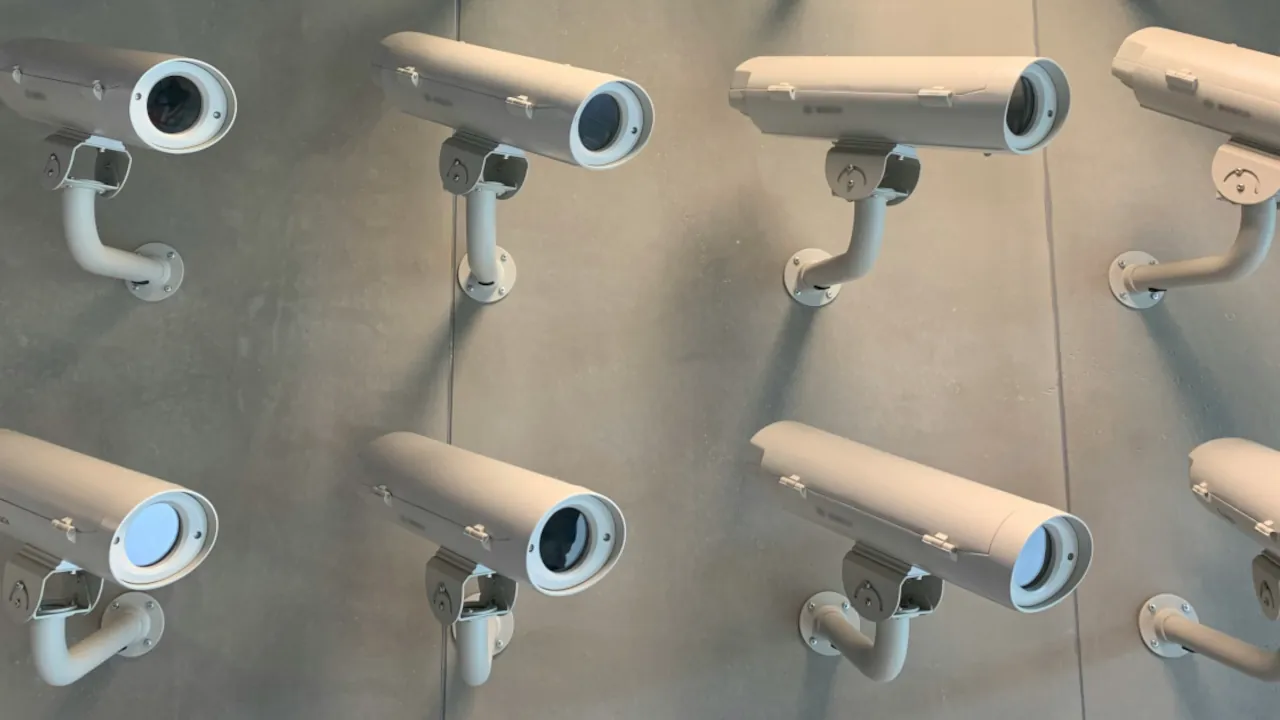
Many homeowners want reliable security without putting video cameras inside their private living spaces. Understanding indoor privacy and choosing motion sensors vs cameras comes down to protecting your personal life. Security cameras can expose video feeds to the internet or record private conversations. Luckily, you do not need cameras inside your home to catch intruders or trigger smart automations. Smart motion sensors and presence detectors offer total security while keeping your daily routine completely private.
Why Indoor Cameras Risk Your Privacy
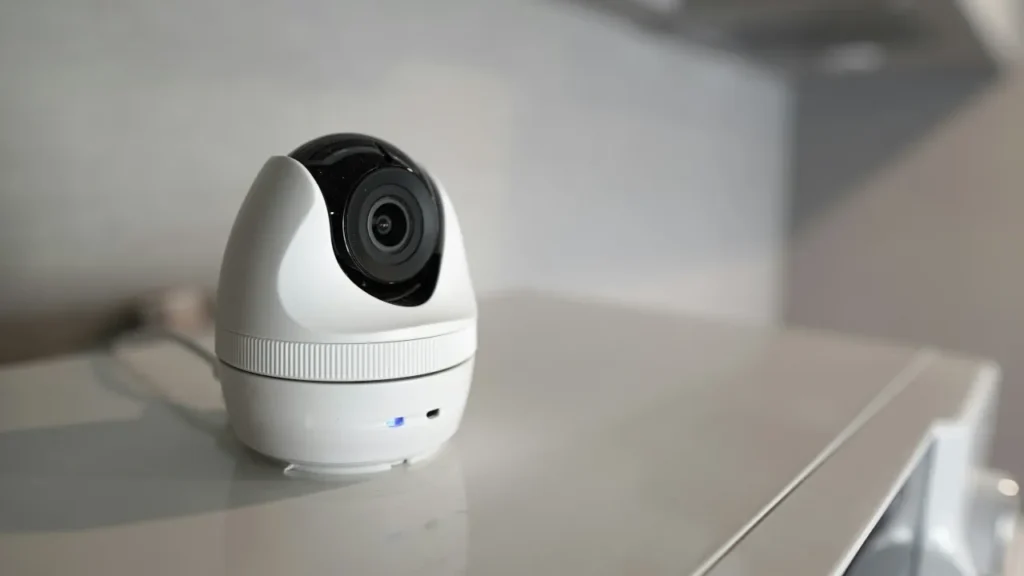
Placing a smart camera in a living room, bedroom, or kitchen creates obvious privacy concerns. Software vulnerabilities can expose video feeds to unauthorized online viewers. Powerful microphones can easily record private family conversations. Additionally, cloud video subscriptions add recurring monthly costs. Using non-camera sensors eliminates every single one of these risks immediately.
Motion Sensors vs Presence Sensors
Traditional motion sensors use passive infrared technology to detect physical movement across a room. They work exceptionally well for catching an intruder walking down a hallway. Modern millimeter-wave presence sensors, such as the Aqara FP2 Presence Sensor, go even further. They can detect microscopic movements like human breathing. This allows the sensor to know if someone is sitting on a couch or reading in bed without using a lens.
Dedicated Sensors for Valuables

Image Credit: Kini
If you want to protect specific drawers, safes, or medicine cabinets, specialized kinetic sensors provide instant alerts. The Kini Motion Sensor attaches directly to cabinet doors or gun safes. It tracks movement on three axes and sends an instant alert to your smartphone whenever someone opens the door. It logs access times reliably without recording video or requiring cloud monitoring.
Smart Lights That Act Like Sensors
You can also use your existing smart lighting system to detect movement without adding separate camera hardware. Technologies like WiZ SpaceSense measure disruptions in Wi-Fi signals between bulbs when a person walks through a room. Similarly, the Eve Motion Sensor uses Matter technology to trigger instant light responses locally across your home network.