
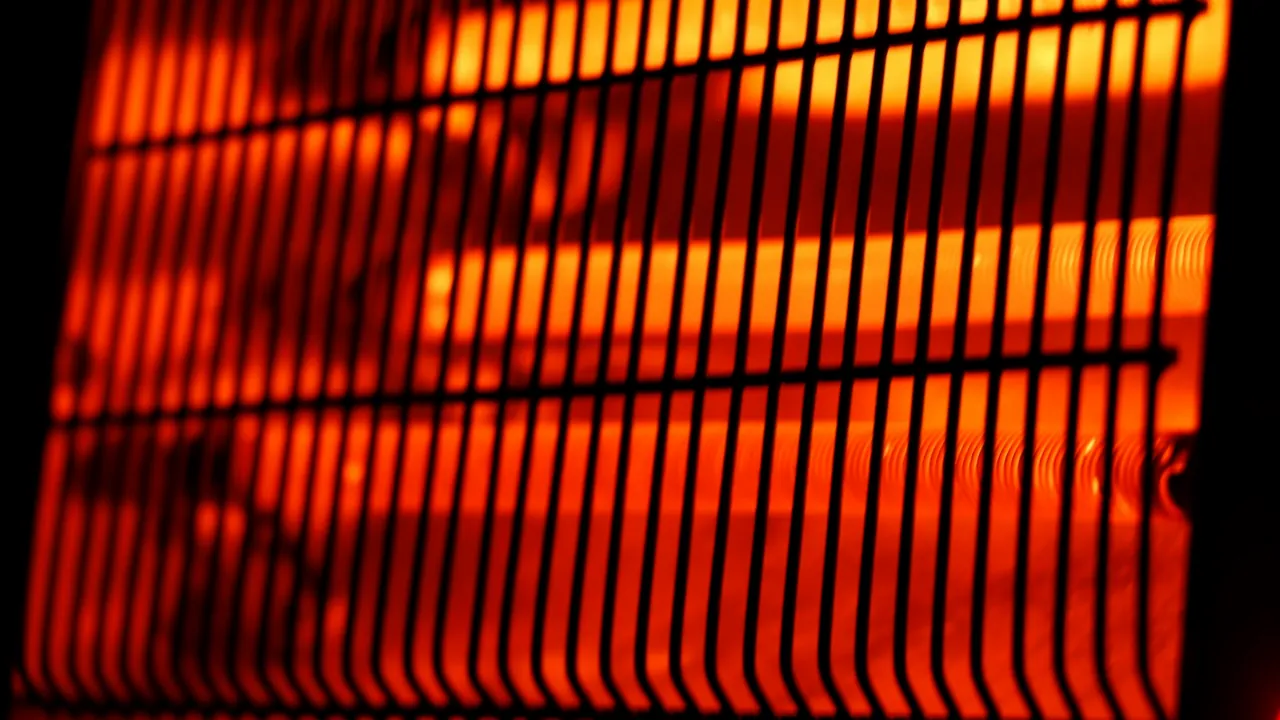
One of the common mistakes is plugging a space heater into a smart plug to create a crude smart climate system. This is incredibly dangerous. Many portable space heaters draw a continuous massive load of 1,500 watts or more. Most standard smart plugs simply are not rated to handle that much sustained electrical pressure.
Worse than the continuous draw are the energy spikes. When heating devices first turn on, they can spike up to even higher wattage instantly. This intense heat stress physically warps and melts the internal components of the plug over time. Smaller heating gadgets like toasters carry the exact same risk. Always plug anything that generates rapid heat directly into a heavy-duty wall outlet.
The Motor Surge Problem
Large appliances that use physical motors are another major hazard for smart plugs. When devices like washing machines, portable air conditioners, or power tools start up, they experience what electricians call an “inrush current.”
Think of this like a car accelerating from a dead stop. It takes significantly more energy to get the heavy motor spinning than it does to keep it running. These startup surges can pull three times the normal electrical load in a split second. This rapid spike will quickly destroy the delicate internal relay contacts inside a consumer smart plug, leading to premature failure or a short circuit.
What Should You Plug In?
Smart plugs are fantastic tools when you use them for their intended purpose. They are designed for devices that have a low, steady electrical draw and use a simple mechanical switch.
You should absolutely use smart plugs to automate your table lamps, living room fans, television setups, or basic coffee makers. For these low-power devices, using high-quality plugs is a safe and convenient way to bring older electronics onto your Wi-Fi network.