
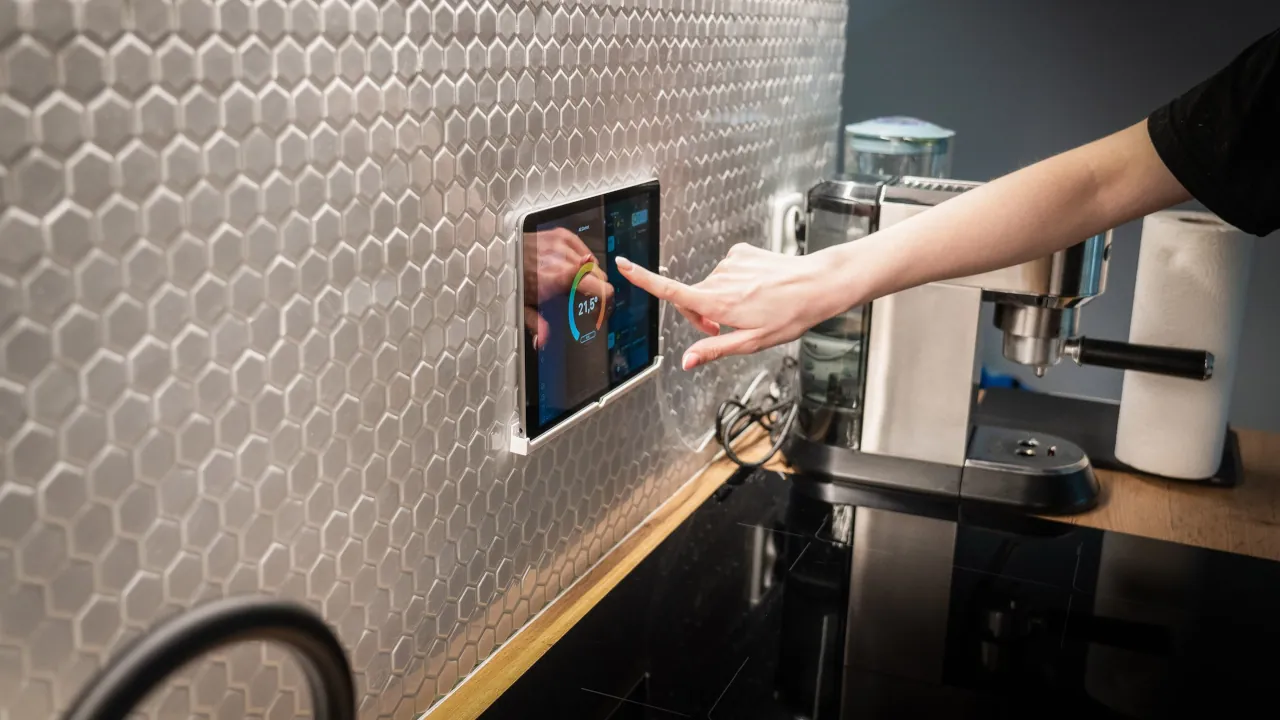
The rise of the local-first smart home is fundamentally changing how we build our setups. For years, the smart home industry forced everything into the cloud. If you wanted to turn on your kitchen lights, your app sent a signal to a server hundreds of miles away. That server then bounced the signal back to your router.
The Cloud Fatigue Problem

This old setup creates major issues for everyday users. When your internet service provider experiences an outage, cloud-dependent devices completely fail. Basic functions like smart thermostats and security sensors stop working simply because the Wi-Fi dropped.
Users are also pushing back against monthly subscription fees. Many brands now charge you just to unlock basic automation features or to view your own camera footage. (You can avoid these subscription fees with local storage). Finally, cloud platforms inherently record your daily habits. This constant tracking creates massive privacy concerns for the average household.
The Rise of the Local-First Smart Home
The industry is experiencing a massive pivot back toward local execution. The rise of the local-first smart home means your devices communicate directly with a control hub inside your own house. They do this without ever needing the internet.
Think of the old cloud model like using a megaphone to tell your neighbor across the street to come over and flip your light switch. The local-first model is like simply wiring the switch directly into your wall. It is much faster, entirely private, and works perfectly even if the entire neighborhood loses internet access.
The Tech Powering the Shift
Newer networking standards like Matter operate locally by default. (See our full breakdown of Matter and Thread for more). When you pair a compatible device to a local controller, the commands stay on your local area network. You do not even need the manufacturer’s proprietary cloud app for ongoing control.
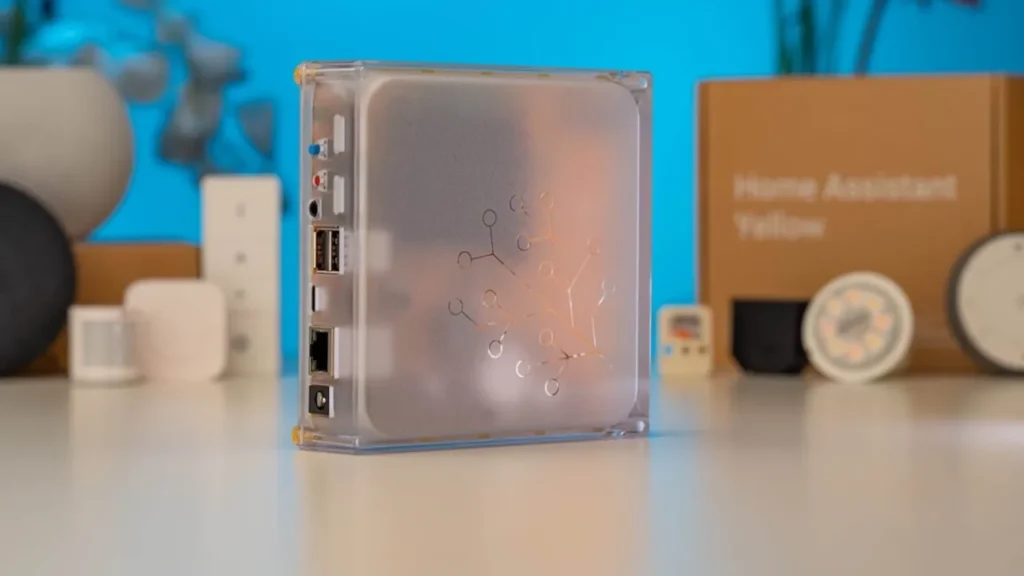
Image Credit: Home Assistant
We are also seeing the rapid rise of local hubs equipped with their own processing power. Plug-and-play devices like the Home Assistant Green or the Aqara Hub M3 are leading the charge for beginners. For true power users, hardware like the Home Assistant Yellow takes it a step further. It allows you to physically swap out its internal processing board. With the recent HAOS 14 software update, Yellow owners can now upgrade to the powerful Raspberry Pi Compute Module 5 (CM5). This unlocks massive speed boosts for advanced features like processing voice commands locally. Instead of sending your voice commands to a remote server, these hubs process the information instantly right in your living room. Users are ditching the cloud because local control makes your home truly smart, private, and endlessly reliable.