
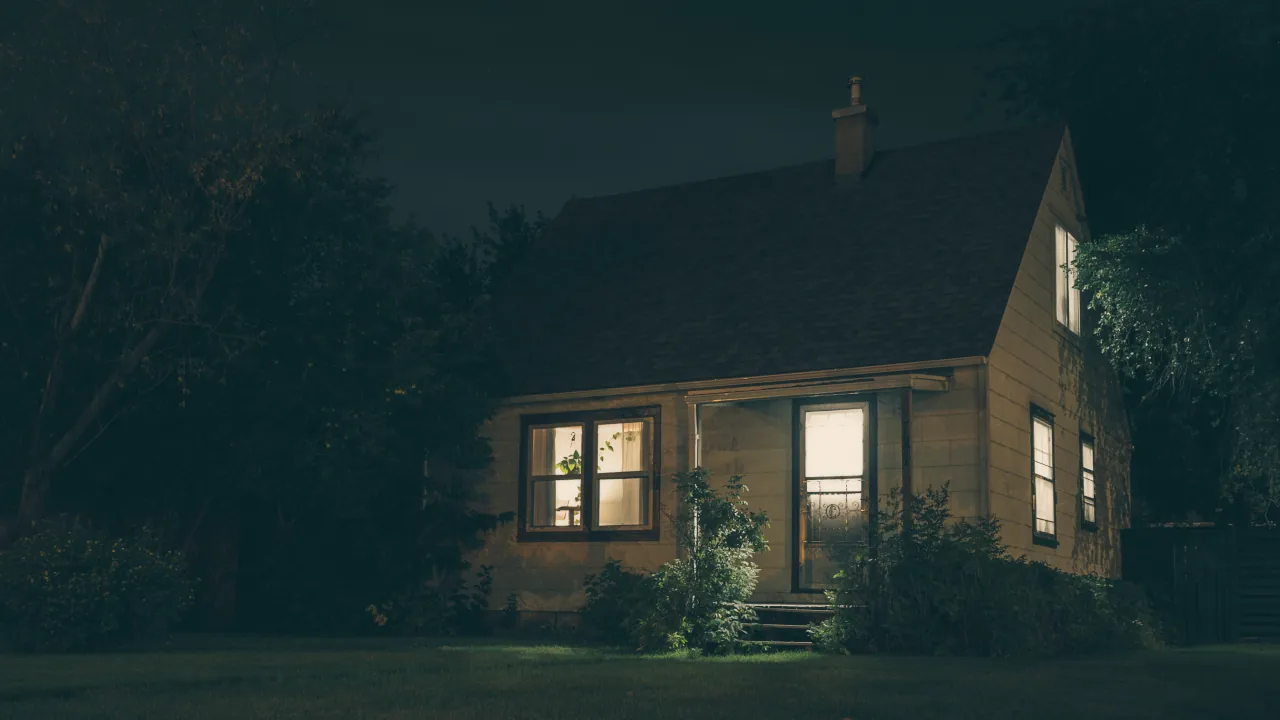
Leaving your house empty during a trip can make you feel uneasy. Traditional mechanical timers turn lamps on at the exact same time every night, and potential intruders notice these rigid patterns quickly. Learning how to make your home look occupied while away solves this problem. Modern smart home presence simulation uses randomized lighting to make your house look authentically lived-in, no matter how long you are gone.
Why Old Timers Fail
Basic plug-in timers turn a single lamp on at seven in the evening and off at ten at night. Anyone watching your home will spot this artificial pattern after two days. Real human beings do not live on exact schedules. You might turn on the kitchen light at six one evening and seven the next. Smart lighting features introduce realistic randomness into your schedules to fool outside observers.
Randomize Your Smart Lighting
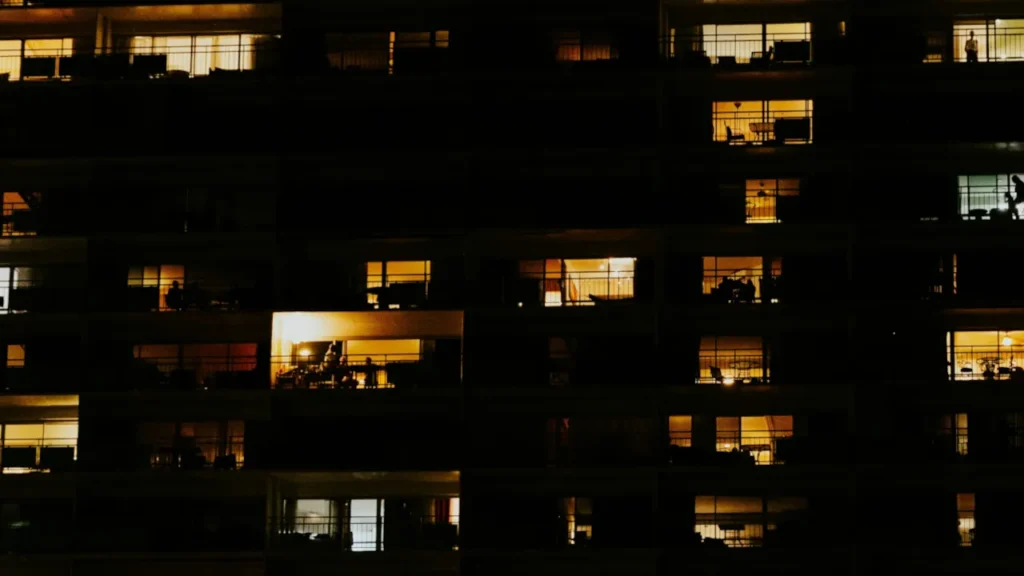
Setting up dynamic lighting schedules is the easiest way to deter unwanted visitors. Modern ecosystems allow you to activate vacation modes natively inside their apps. Brands like Philips Hue offer a built-in Mimic Presence automation designed specifically for this purpose. These features automatically shift your light activation times each day. The living room light turns on at slightly different times every evening, creating a convincing illusion that someone is moving inside.
Simulate Television Light Output
A glowing window is a strong indicator that someone is home relaxing in the living room. Instead of leaving an expensive television running for days, you can mimic the effect using smart lighting. Smart color bulbs from brands like Govee can cycle through subtle blue, white, and warm tones to simulate screen light flicker. Placing a color bulb near a front window gives the impression of an active television screen without wasting large amounts of electricity.
Automate Smart Curtains
Closed blinds during the bright daytime hours signal an empty house just as clearly as dark windows at night. If you Upgrade Existing Curtains it allows you to schedule natural curtain movements. You can program your curtains to open at sunrise and close at sunset automatically. If you do not want to invest in motorized track systems, keeping sheer curtains closed while automating interior lamps still works effectively.
Layer Audio and Light Together
The most convincing presence simulation combines multiple sensory cues. Pairing smart lighting with smart speakers creates a realistic layer of activity. You can configure smart plugs like the TP-Link Kasa Smart Plug to turn on a radio or white noise machine periodically during daytime hours. When lights and audio activate together, your home looks and sounds genuinely occupied twenty-four hours a day.