
Have you ever looked at your monthly electricity bill and wondered where all that power actually went? You are definitely not alone. Many household devices draw power constantly, even when they are technically turned off. This invisible drain is called standby power, and it quietly inflates your utility costs year after year. Fortunately, modern smart home technology offers highly effective ways to take control of your daily power usage. Creating an energy-efficient home is no longer a futuristic dream. It is a practical reality that pays for itself over time. Whether you rent a small apartment or own a large house, you can build a customized system to track, manage, and reduce your electrical footprint. We will start with the easiest, most affordable options and work our way up to complete home energy tracking systems.
The Invisible Energy Drain
Before diving into the hardware, it is helpful to understand the core problem. Devices like coffee makers, televisions, and gaming consoles pull a small amount of electricity while they sit idle on your counter or media console. While a single television pulling standby power might not seem like much, a house full of idle electronics creates a massive impact on your annual utility bill. Stopping this constant drain is the very first step toward a smarter, more efficient home ecosystem.
Basic Smart Plugs
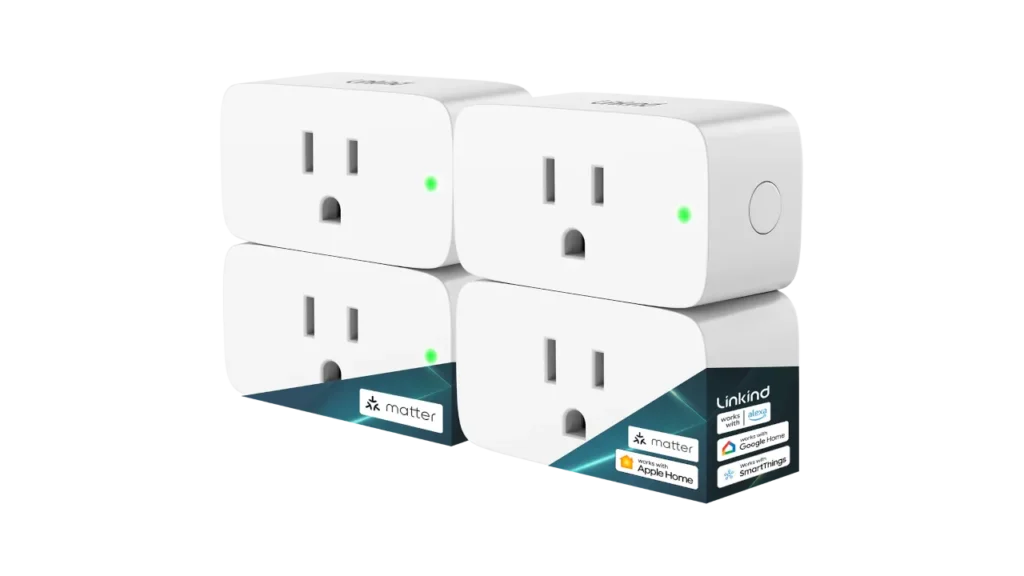
Image Credit: Linkind
If you are new to smart technology or live in a rental property, basic smart plugs are your absolute best starting point. These small devices plug directly into your existing wall outlets. You then plug your appliance directly into the smart plug. This setup requires zero electrical work and takes only minutes to configure on your smartphone.
For those on a budget, the Linkind Matter Smart Plug 4-Pack is an incredible value, often priced around $26. It is one of the easiest ways to get started, and we even highlighted it in our breakdown of 2026’s best value Matter smart plugs. You can use an app to completely sever the power flow to your electronics on a set schedule. However, you must exercise caution. While smart plugs are fantastic tools, you cannot plug everything into them. High-draw appliances like space heaters pose a serious fire hazard. Please read our guide on What Not to Plug Into a Smart Plug before starting your smart energy journey.
Plugs With Energy Monitoring
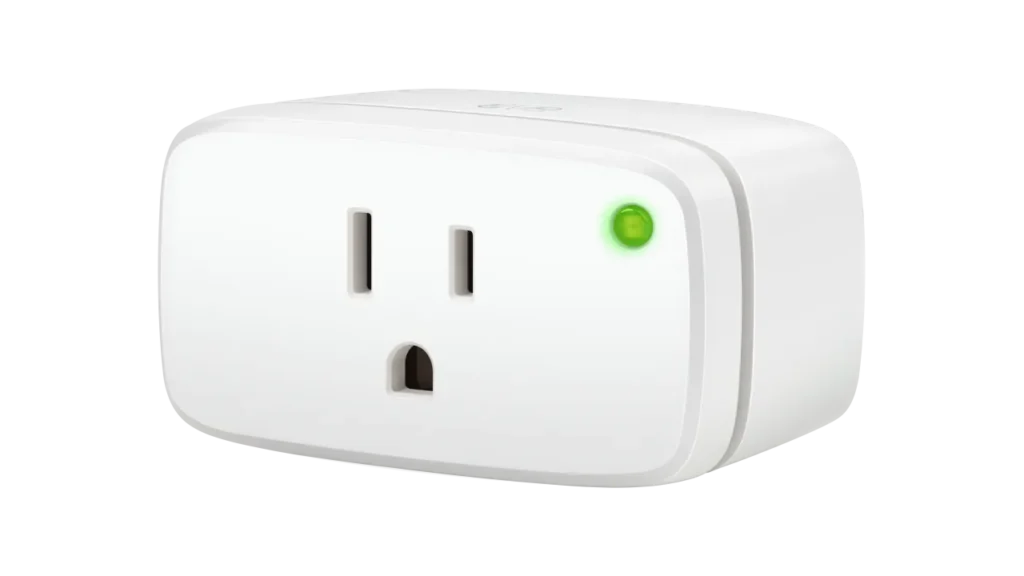
Image Credit: Eve
For users who want detailed information on their spending habits, the next step up is a smart plug with built-in energy monitoring. These plugs operate exactly like the basic models but include internal sensors to track exactly how much electricity the attached device consumes over time.
Products like the Eve Energy will show you real-time power graphs directly on your smartphone screen. If you suspect your old dehumidifier is driving up your power bill, you can connect it to an energy-monitoring plug and find out for sure. You can use this exact data to identify which fans or small window units draw the most power, helping you keep your home cool without wasting power during the hot summer months.
Smart Climate Control
Heating and cooling make up the largest portion of the average home utility bill. Once you have managed your wall outlets, upgrading your thermostat is the next logical step for massive energy savings. A smart thermostat learns your daily routine and automatically adjusts the temperature when you leave the house for work.
You do not have to sacrifice your personal data to achieve these savings. You can easily save energy privately with the Eve Thermostat, which processes all of your scheduling data locally rather than sending it to external cloud servers. By ensuring your HVAC system only runs when people are actually home to enjoy it, you eliminate the massive waste of heating or cooling an empty house.
Whole Home Energy Monitors
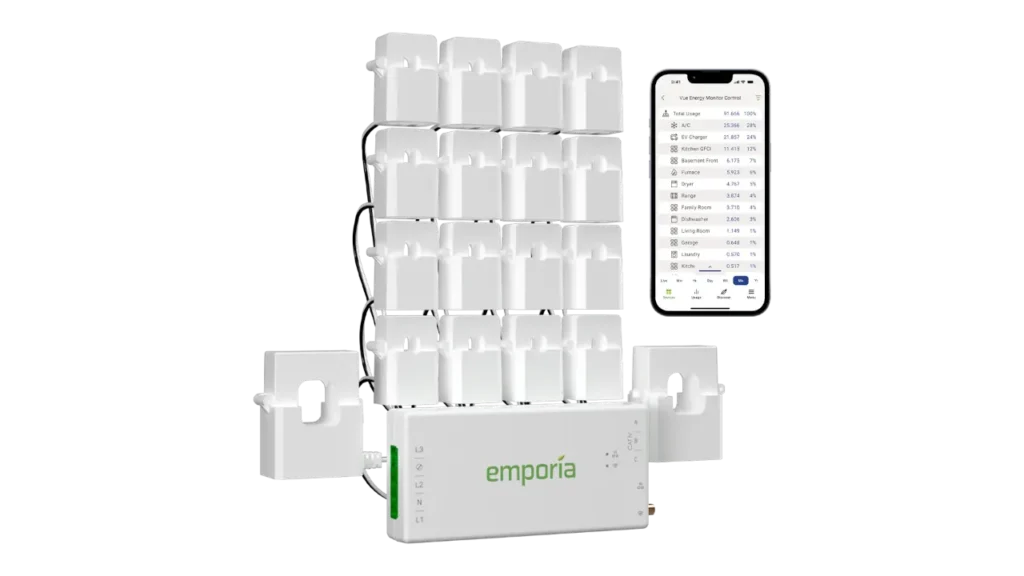
Image Credit: Emporia
Homeowners looking for the ultimate level of insight should consider a whole home energy monitor. Instead of tracking one device at a time, these advanced systems track your entire electrical panel at the source.
Monitors like the Emporia Vue Gen 3 install directly inside your breaker box. Because they connect to the main power lines, they can read the electrical signature of every major appliance in your house. The companion app acts like a fitness tracker for your home. It shows you exactly how much power your water heater, electric oven, and central air conditioning use in real-time. While this setup does require installation by a qualified electrician, it provides unparalleled, lifetime data for optimizing your total energy footprint and lowering your bills permanently.
Image Credit: Eve (Bedroom photo)