
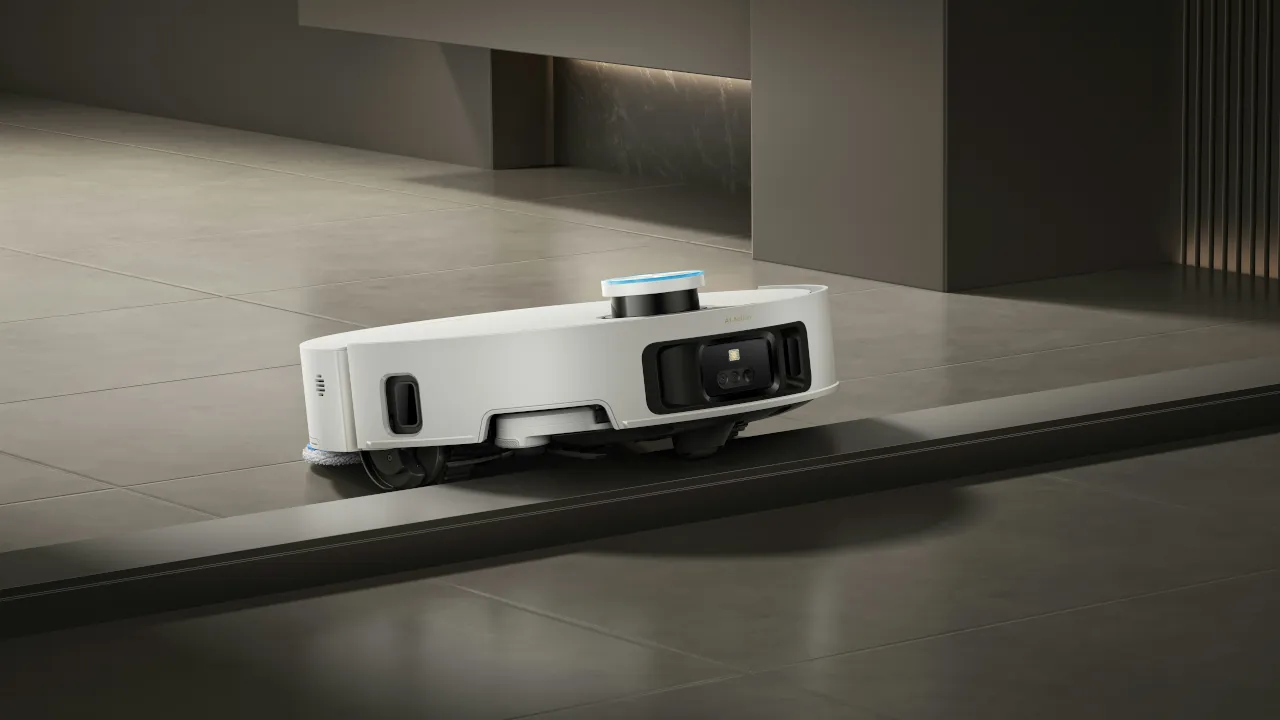
The US government recently added advanced robotic devices to the FCC Covered List, and this new US ban stretches straight into your living room. An FCC spokesperson confirmed to The Verge that the upcoming regulations specifically target foreign robot vacuums. Here is everything you need to know about the crackdown, why it is happening, and whether the devices currently keeping your floors clean are safe.
Why the Government is Cracking Down
The Federal Communications Commission is updating its security policies to target advanced robots made by foreign companies. While the initial focus seemed to be on industrial machines and robot dogs, the technical definition casts a much wider net. The rules apply to any software-controlled machine that weighs over 4.4 pounds when combined with its dock. Furthermore, the device must use sensors to navigate, connect to a network, and move without constant human input.
This broad definition means robot vacuums, connected lawnmowers, and delivery robots fall squarely under the ban. The primary reason for this sweeping change is cybersecurity. Lawmakers are concerned about data privacy. They cite a recent security flaw that exposed live camera feeds, microphone audio, and detailed home maps from thousands of foreign-made robots.
If this news makes you rethink having roaming lenses inside your house, check out Indoor Privacy: Motion Sensors vs Cameras about using smart sensors instead.
Are Your Current Devices Safe?
If you already own a robot vacuum, you do not need to panic. The new rules do not affect devices that have already been approved or are currently sitting in your home. Your existing vacuums will continue to function normally. Furthermore, the government states that these approved devices can continue to receive security, software, and compatibility updates until at least January 1, 2029.
What Happens to Future Robot Vacuums?
The real impact will hit future product launches. Any new foreign-made robot vacuum will be unable to receive the standard FCC authorization required to be sold in the United States. To get around this restriction, manufacturers must secure a special Conditional Approval.
This poses a massive hurdle for the smart home industry. A huge portion of the robot vacuum market is driven by Chinese companies. Even iconic American brands like Roomba are now owned by the Chinese manufacturer Picea Robotics. Unless these companies shift production to the United States or secure conditional waivers, product availability will drop. You might see far fewer options when shopping for a new robot vacuum next year. You can read more about the specific regulatory details over at Digital Trends.