
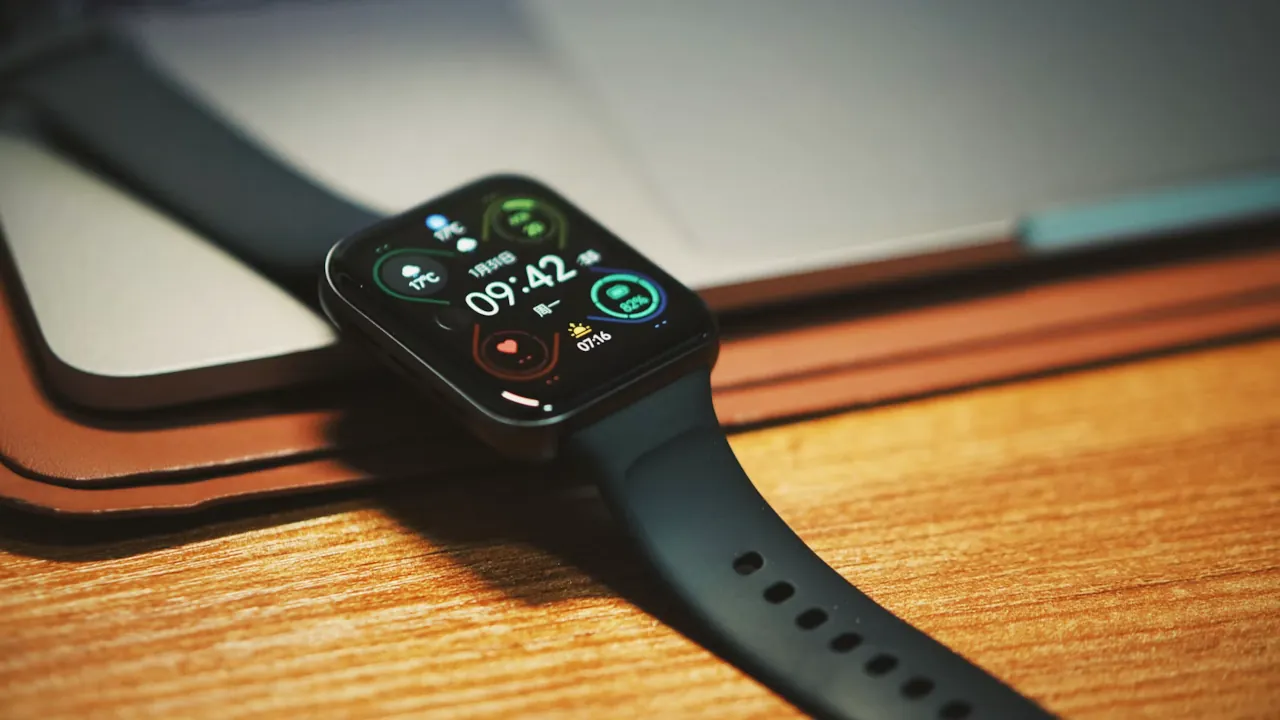
Millions of people strap on a fitness tracker every morning to count steps or monitor sleep without thinking about who else might be looking at those personal numbers. A recent investigation into popular wearables reveals that the companies tracking our heart rates and daily habits are not keeping that data as private as you might expect.
What Happened to Health Privacy?
A new report from the Electronic Frontier Foundation looked closely at ten major wearable brands, including Apple, Google, Garmin, and Oura. The findings show that most of these companies lack basic privacy features that keep your personal health data completely locked down. While we assume our digital health records get special protection, commercially available fitness trackers do not legally require the same strict privacy rules as a traditional medical office.
Why Your Data Needs a Stronger Shield
You might wonder why anyone would care about your daily step count. However, these devices collect an incredible amount of sensitive information, from your exact location to your sleep patterns and heart rate. Companies can share this data with third parties for marketing, use it to train artificial intelligence models, or hand it over to law enforcement. Imagine leaving your personal medical diary on a table at a coffee shop. That is essentially what happens when data is stored on company servers without the highest level of security.
The Missing Lock on the Digital Door
The most secure way to store data is called end-to-end encryption. Think of this like a locked safe where only you hold the key. Even the company that built the safe cannot open it. Surprisingly, out of all the popular brands tested, only the Apple Watch offers this feature by default for data stored in its native health application. Major players like Google, Garmin, and Oura do not currently offer end-to-end encryption for the health data they store online. They protect the data while it travels over the internet, but they still hold a master key to look at it once it reaches their servers.
If reading about these cloud server vulnerabilities makes you want to rethink the data your other devices collect. Check out a more private smart home setup here: Indoor Privacy: Motion Sensors vs Cameras
Who Asks Before Sharing?
Another major issue is transparency. If a government agency asks for your health data, you should know about it. Transparency reports are public documents where companies list how often they hand over user data to authorities. Currently, only Apple and Google publish these reports. Fortunately, Apple, Google, Whoop, and Oura do promise to notify users if law enforcement requests their data.
How to Take Control of Your Metrics
If you want to keep your fitness data strictly private, you have a few options. You can look for devices that offer robust local storage, which means the data stays on the watch itself and does not sync to the cloud. Some Garmin and Polar watches allow this, though it limits certain features. For Apple Watch users, you can disable cloud sharing entirely to keep your information locked safely on your phone. Most importantly, you can reach out to the makers of your favorite smart rings and bands and demand that they implement end-to-end encryption.