
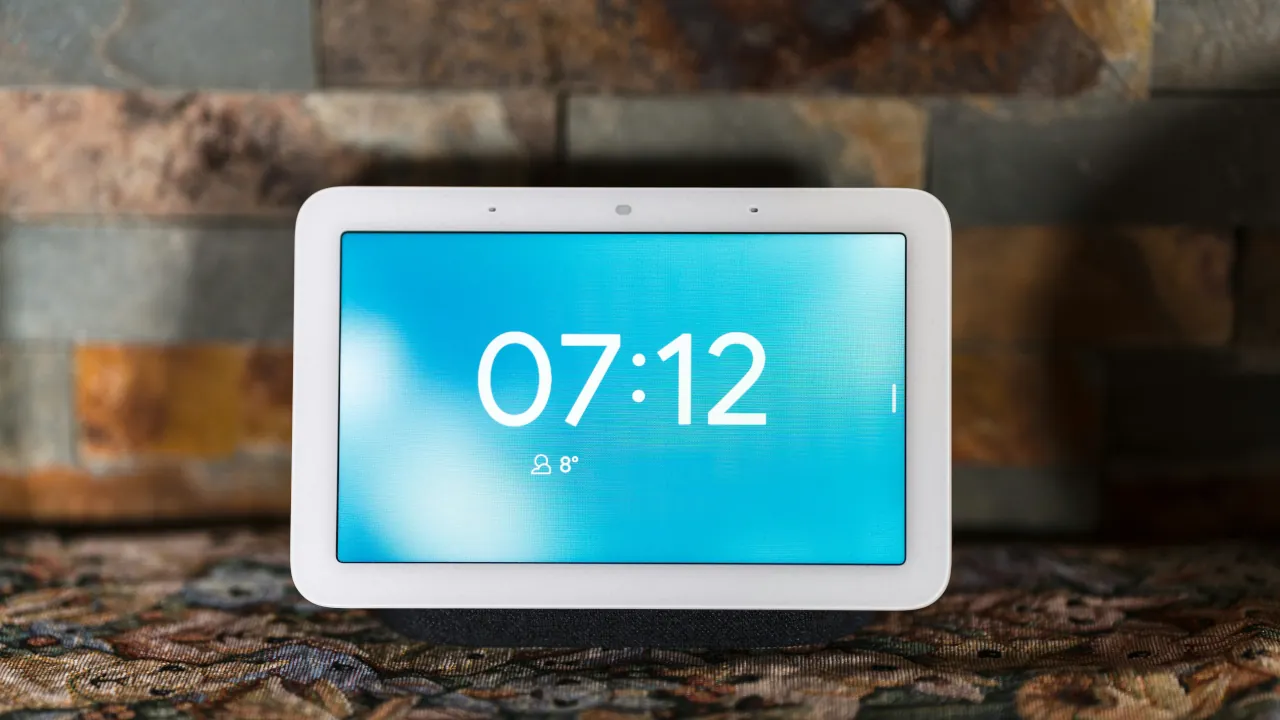
Most sleep tracking requires wearing a bulky watch or fitness band to bed. For many people, trying to sleep with a screen strapped to their wrist is uncomfortable. Fortunately, you do not have to wear anything to get detailed insights into your nighttime habits. By using a Google Nest Hub on your nightstand, you can track your breathing, movement, and room temperature completely hands-free.
How Radar Replaces Your Smartwatch
The second-generation Google Nest Hub uses a miniature radar technology called Soli. When placed next to your bed, this radar detects tiny movements. It is sensitive enough to monitor the rise and fall of your chest as you breathe.
Because there is no camera lens attached to the device, it avoids all bedroom privacy concerns. The radar simply bounces invisible signals to sense motion. It pairs this movement data with built-in microphones, ambient light sensors, and temperature sensors. This allows the display to monitor both your physical body and your sleeping environment simultaneously.
The Real Health Benefits of Radar Tracking
Many people abandon sleep tracking because wearables run out of battery or cause skin irritation. With a smart display on your nightstand, tracking happens automatically the moment you lie down. It requires zero daily effort to maintain.
This system also separates ambient room sounds from your personal respiratory patterns. It logs exact timestamps for coughing fits and snoring episodes. This data helps you spot patterns related to seasonal allergies, room dryness, or other disturbances that you might sleep right through.
Optimizing Your Bedroom Environment
Poor sleep is often caused by room conditions rather than stress. The display tracks room temperature swings and light changes throughout the night. If the sun hits your room at dawn or the heating turns on too aggressively, the morning report will highlight that your restlessness coincided with an environmental spike. This allows you to adjust your thermostat or invest in blackout curtains.
If you want to create a better environment for your mornings, you can link the display to other devices. For example, you can build routines that gently brighten your lights when you wake up. If you are starting from scratch and need help planning out your equipment, our guide on how to build a smart home on any budget is a great place to start.
Tracking your breaths per minute throughout the night establishes your baseline respiratory health. A sudden increase in your nighttime breathing rate often serves as an early indicator of incoming illness. Instead of just handing you an arbitrary score, the data syncs directly into Google Fit to provide actionable coaching and guide you toward better rest over time.