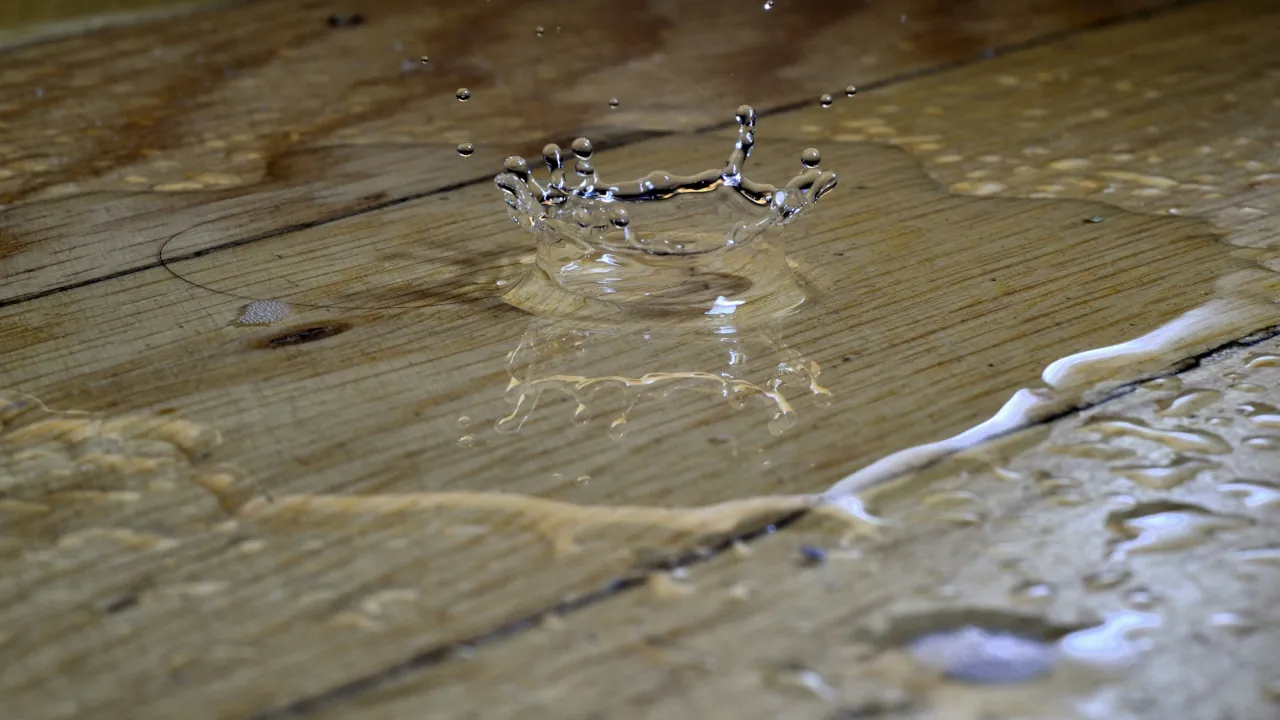
A tiny drip under your kitchen sink might not seem like a major emergency right now. However, hidden leaks can quietly cause thousands of dollars in water damage before you even notice a puddle. Smart water sensors are simple devices that alert your phone the second they detect moisture. While many are small, battery-operated pucks, some heavy-duty models plug directly into a wall outlet. They act as a 24-hour security guard for your plumbing. If you are setting up a smart home budget, these sensors are useful entry-level hardware you can add.
How Smart Water Leak Sensors Actually Work
Before we look at where to put them, it helps to understand what these gadgets do. A smart water sensor is a small plastic disc or rectangle with two metal probes on the bottom. When water touches both probes at the same time, it completes an electrical circuit. That triggers the device to send a push notification directly to your smartphone. Many models, like the Aqara Water Leak Sensor, also trigger a loud physical alarm from their connected smart hub. Because they use very little energy, they are entirely battery-powered and typically last for a year or two before needing a replacement coin cell.
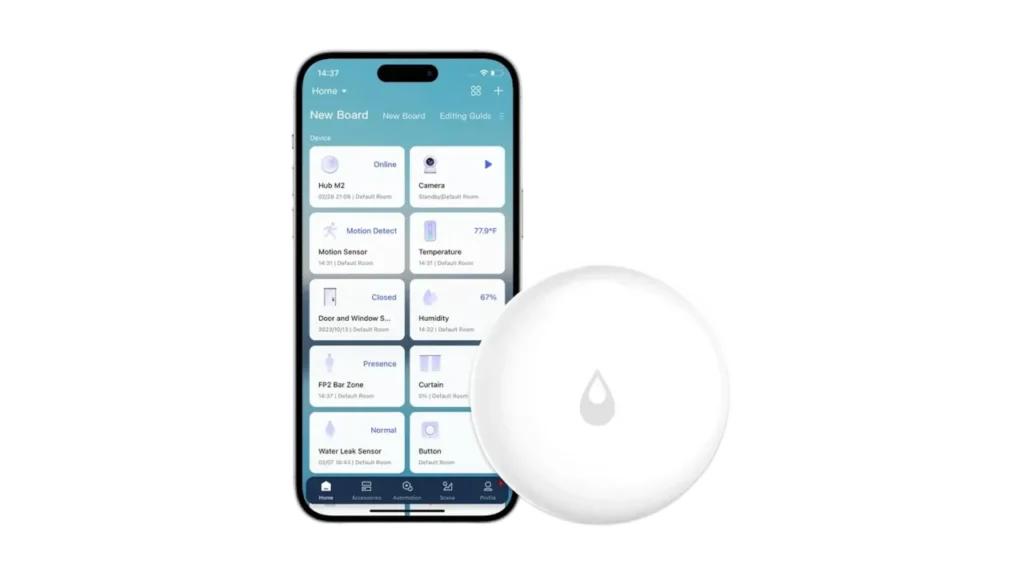
Image Credit: Aqara
Under the Kitchen Sink and Dishwasher
The cabinet under your kitchen sink is a prime target for hidden leaks. You have hot and cold water supply lines, a drain pipe, and often a dishwasher hose all cramped into one dark space. Place a sensor flat on the floor of the cabinet right below the main pipe trap. If a fitting works loose, you will get an alert before the water rots the wooden cabinet base.
Behind the Washing Machine
Washing machine hoses are notorious for bursting under pressure. Rubber hoses degrade over time, and a sudden failure can flood a laundry room in minutes. Slide a water sensor onto the floor right behind the washing machine. If your laundry room is on the second floor, this placement is absolutely critical to stop water from destroying the ceiling below.
Near the Water Heater
Your water heater holds dozens of gallons of water, and rust can eventually eat through the tank. When a water heater fails, it usually starts as a slow drip near the base or the pressure relief valve. Positioning a sensor in the metal drain pan beneath the tank will give you an early warning. You can even create an automation with Apple Home or Google Home to flash your smart bulbs red if this specific sensor detects a leak.
In-Wall Toilet Reservoirs
Standard toilets might leak at the exposed supply line, but the real hidden danger comes from modern in-wall toilets. Because the water tank and plumbing are completely concealed behind drywall or tile, a slow leak can cause massive structural damage before a single drop ever reaches your bathroom floor. You can carefully remove the wall-mounted flush plate and lower a small, battery-powered sensor down to the base of the internal frame. It will sit safely in the dark and notify your phone the moment water begins pooling behind your wall. Since you will eventually need to change the battery, tie a piece of string or a durable cord to the sensor before you drop it in. Tape the other end of the string just inside the flush plate opening so you can easily pull the device back up when it is time to replace the battery.
Inside the Basement or Near a Sump Pump
Basements are naturally prone to flooding during heavy rainstorms. If you have a sump pump, place a water sensor a few inches above the normal water line. If the pump fails or gets overwhelmed, the rising water will touch the sensor and alert you before the entire basement floods. This is the perfect spot for a heavy-duty, plug-in model like the Eve Water Guard. Since basements usually have accessible wall outlets, you can plug it directly into the wall and run its extendable sensing cable in a wide circle around the base of your sump pump basin. This gives you time to react, grab a backup pump, or move valuable items off the floor before a disaster happens.
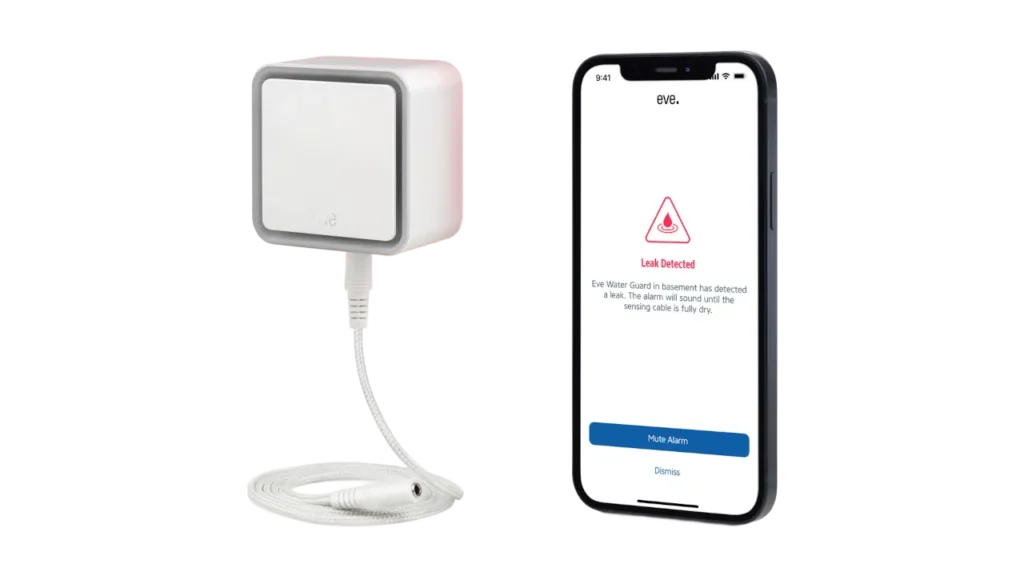
Image Credit: Eve Systems
Setup and Maintenance Advice
Placing the sensors is only the first step. You must ensure they stay connected to your network and are ready to trigger an alarm. When placing your sensors, keep these best practices in mind:
- Keep them flat: The two metal probes on the bottom must be able to touch the floor evenly to detect early puddles.
- Test the connection: After positioning the sensor, press a wet paper towel against the metal contacts to verify that you receive a notification on your phone.
- Check the wireless range: Sensors live behind thick metal appliances or inside wooden cabinets, so wireless signals can struggle to reach them. If you notice your devices frequently dropping offline, setting up a mesh router is a great way to push a strong signal into the far corners of your basement.
- Set battery reminders: Set a calendar reminder to check the coin cell batteries every six months so your sensors are always ready for an emergency.