
Outsmarting the Hub Pile
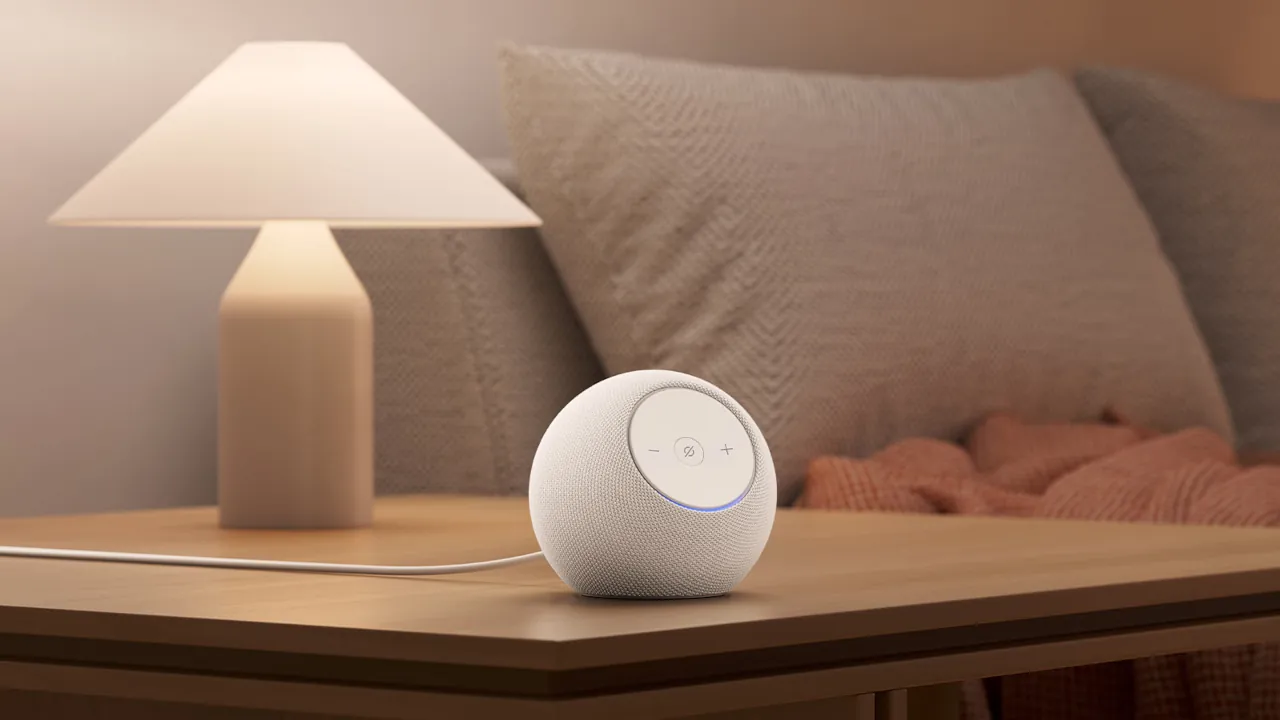
Starting a smart home usually involves buying a messy pile of plastic network bridges. You need separate hubs for your lights, locks, and thermostats. The Echo Dot Max is a great starter smart hub that solves this exact problem. It is far more than just a speaker for playing music. This compact device connects directly to your gear, drastically cutting down that setup process. If you are just getting started, see our full guide to building a smart home on any budget.
What It Connects To
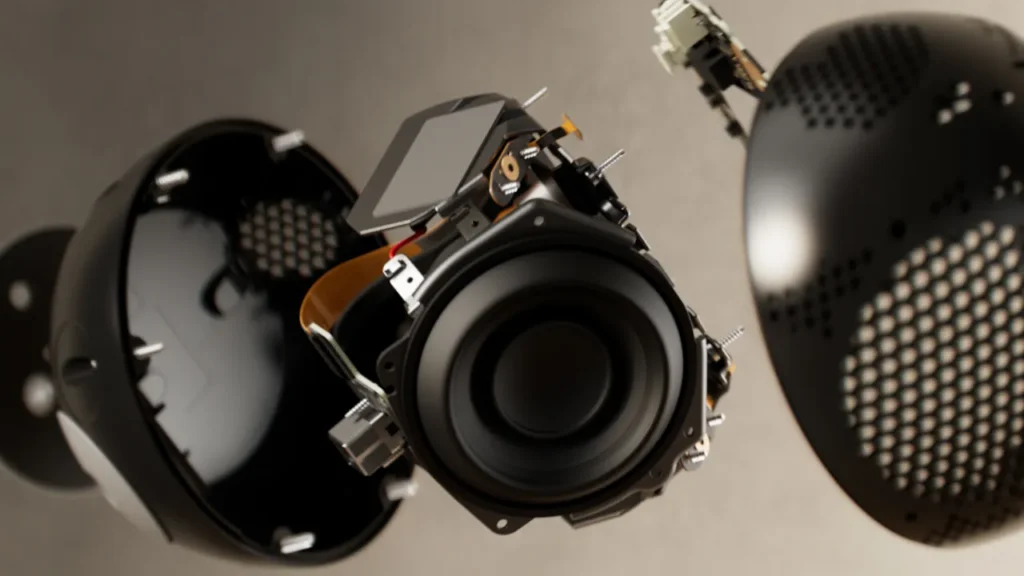
This spherical speaker comes packed with built-in antennas for Wi-Fi 6E, Bluetooth 5.3, Zigbee, Thread, and Matter. Thanks to support for standards like Matter and Thread, in simple terms, this means almost any modern smart device can talk directly to the Echo Dot Max. You can skip buying separate hubs from different manufacturers for those protocols. You just power on your new smart bulb, and the speaker finds it instantly over the air. It works just like connecting your phone to Bluetooth headphones, but for your entire house.
The Z-Wave Exception
While it replaces most bridges, there is one major catch: it does not speak Z-Wave. Z-Wave operates on a completely different wireless frequency from the antennas built into the speaker. If you have older smart home gear or specific heavy-duty security locks that run on Z-Wave, the Echo Dot Max cannot control them directly. You will still need to keep a dedicated Z-Wave hub plugged into your router to act as a translator for those specific devices.
Sensors and Conversational AI
If relying on a separate Z-Wave hub is not a dealbreaker, the speaker remains incredibly capable. It introduces Omnisense, a built-in platform that uses temperature and ambient light sensors to read the room. You can easily have your living room lamps automatically click on when the space gets dark. It also runs on a lightning-fast AZ3 processor. This chip powers the new generative AI version of Amazon’s assistant, called Alexa+. You can finally speak to your smart home in a casual, conversational tone. You no longer have to memorize rigid, robotic commands.
Image Credit: Amazon