
Building a smart home usually begins with a few basic Wi-Fi light bulbs. As you add more devices to your house, your standard internet router will eventually struggle to keep everything connected. Understanding why Z-Wave beats Wi-Fi for smart homes comes down to network reliability. Instead of forcing your smart home gadgets to fight for bandwidth on your home internet network, Z-Wave gives them their own private communication channel.
What Is Z-Wave Technology?
Z-Wave is a dedicated wireless communication language built specifically for smart home devices. Unlike your laptop or television, Z-Wave gadgets operate on a much lower Sub-GHz radio frequency. Because this wireless signal sits at a lower frequency, it can easily penetrate solid walls and floors to effectively reduce signal interference. This makes Z-Wave highly reliable for communicating across large homes.
How Z-Wave Avoids Wi-Fi Traffic Jams
Think of your 2.4GHz Wi-Fi network like a crowded city highway. Every time you stream a movie or connect a new smart plug, you are adding another car to that exact same road. Eventually, the traffic slows down. Z-Wave operates on an entirely separate, private highway. Because it does not use the same frequencies as your Wi-Fi router, your Z-Wave devices will never slow down your Netflix stream or disconnect when someone downloads a large file.
Do You Actually Need a Z-Wave Hub?
The short answer is yes. Your smartphone only has internal antennas for Wi-Fi and Bluetooth. Your phone physically cannot send or receive a direct Z-Wave signal. To control a Z-Wave lock or light switch using an app on your phone, you must install a smart home hub. The hub acts as a permanent translator. It plugs into your internet router, receives the command from your phone, and translates that command into a Z-Wave signal. Popular hub options include dedicated USB dongles like the Home Assistant Connect ZWA-2 or the Zooz 800 Series Stick.
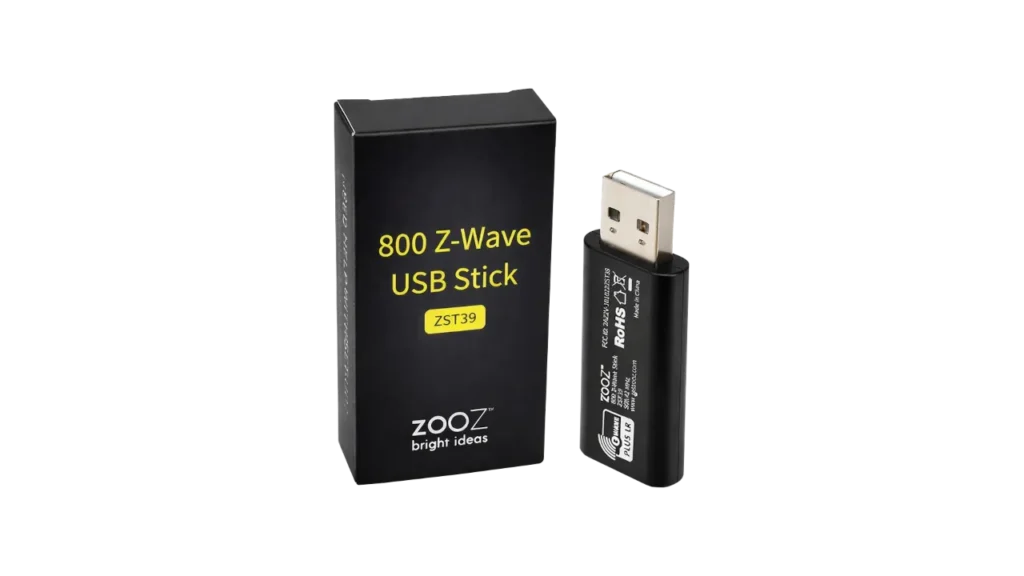
Image Credit: ZOOZ
Why Z-Wave Wins for Smart Wall Switches
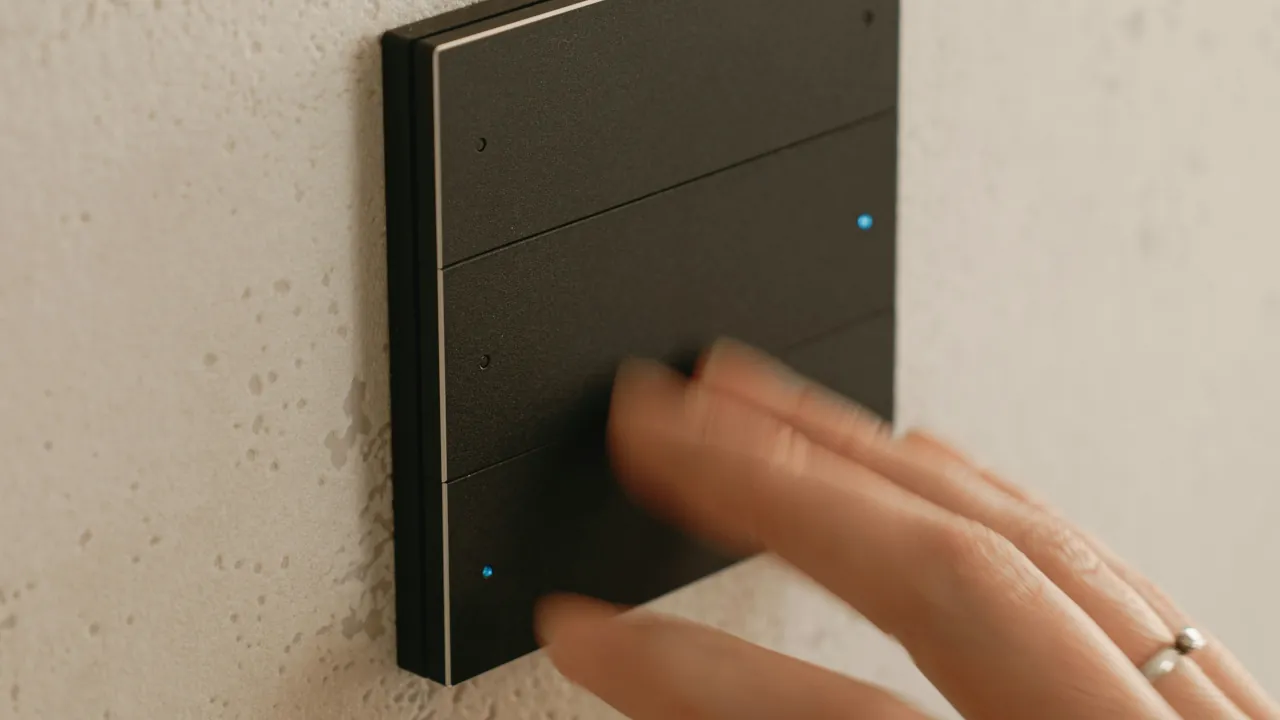
Wi-Fi devices often struggle when they are grouped closely together. Z-Wave does the exact opposite. Z-Wave relies on a mesh network design. This means every device that is permanently wired into your home power supply acts as a signal repeater. Think of this like a bucket brigade passing a signal along the line. If you replace thirty standard light switches with Z-Wave smart switches, you do not overwhelm the network. Instead, you create thirty new signal repeaters. This makes the network stronger, faster, and more resilient with every single switch you install.
The New Z-Wave 800 Series Upgrades
If you are shopping for new devices today, you will likely see the Z-Wave 800 series logo on the box. The 800 series is the latest edition of the Z-Wave protocol. It brings major improvements to the ecosystem. For battery-powered sensors, the 800 series allows for up to ten years of life on a single coin cell battery. Furthermore, the introduction of Z-Wave Long Range technology allows these new devices to communicate over distances greater than 1.5 miles.