
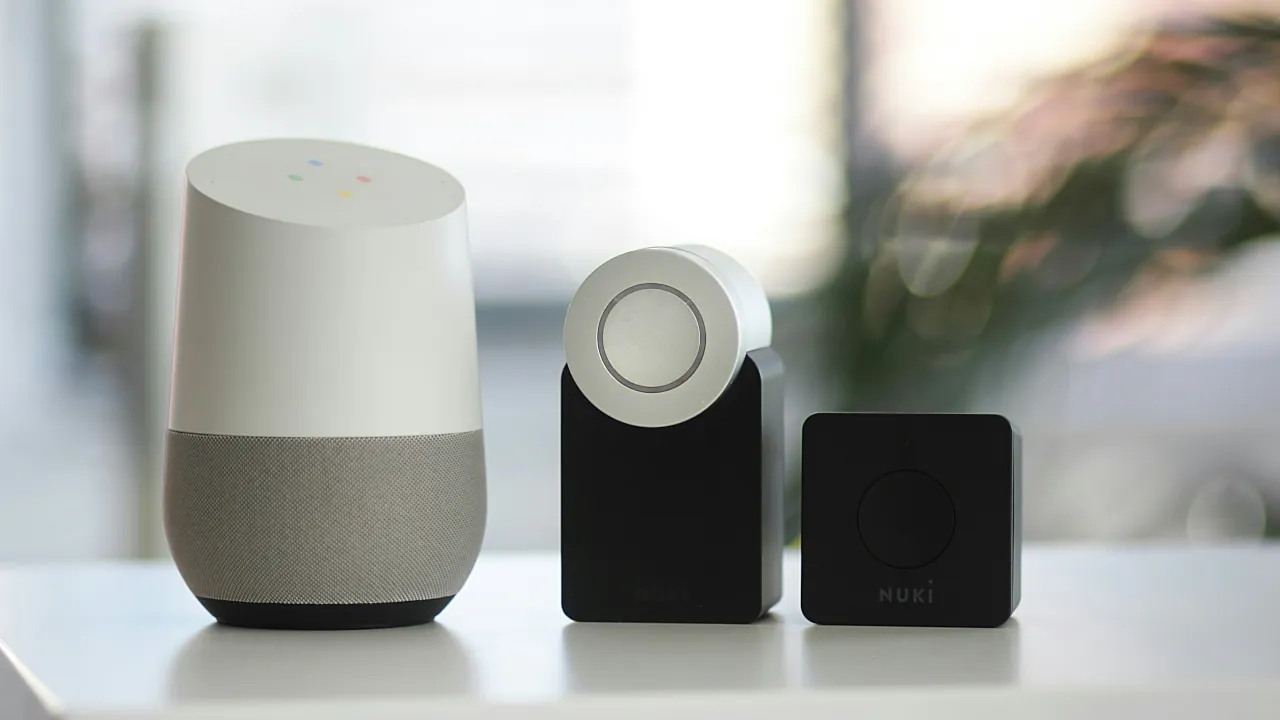
Re-starting a smart home gadget from scratch is often the best fix for a stubborn connection error or when preparing a device for sale. If your only issue is a device responding to the wrong name or getting mixed up with another gadget, check our guide on Fix Voice Assistant Naming Errors first, as a full reset may not be necessary. Many users make a critical mistake by holding down a physical reset button before disconnecting the device from the cloud. This error leaves behind ghost devices in companion apps and can even lock a device to an old account. Doing a complete factory reset requires a specific two-step method to ensure your smart gear resets properly.
Remove Devices From Companion Apps First
You must always unbind a device inside its native mobile application before touching the physical hardware. Open the app you used to set up the device. Navigate to the device settings page and select the option to delete or remove the device.
This step sends a signal to cloud servers to unbind your account details from the device serial number. If you bypass this step, the device may remain locked to your account, preventing a new owner from completing setup. Disconnecting from the app also cleans up your smart home ecosystem and prevents duplicate entries in your home management screens.
The Physical Reset Sequence
After you remove the device from your account, you must perform a physical factory reset on the hardware itself. Nearly every piece of smart gear requires this physical wipe, ranging from indoor hubs and smart plugs to outdoor security cameras and smart thermostats.
Locate the reset button on your device. For indoor items, this is usually the main power button. For cameras or weather-resistant gear, look for a hidden pinhole switch. Insert a paperclip if you need to use a pinhole, and press the switch down. Hold the button continuously for ten to fifteen seconds. Watch the LED indicator light while you hold it. The light will typically blink rapidly, change color, or flash briefly before turning off. That visual change confirms the internal memory is completely wiped clean.
Use the Settings Menu for Screen-Based Devices
If your smart device has a built-in screen, you will likely need to use its software menu instead of a physical button. Gadgets like smart televisions, streaming sticks, and smart displays are essentially miniature computers. Manufacturers require you to wipe these devices through their digital interface rather than using a hard physical reset.
To perform the reset, power on the screen and open the main menu. Navigate to the device settings and look for a section labeled System, General, or Device Care. You will find the factory reset option located inside that specific menu. Selecting this option will erase your downloaded apps, remove your Wi-Fi credentials, and reboot the screen back to its initial setup phase.
Reset Smart Bulbs With Power Cycling
Smart light bulbs usually do not have physical buttons on their body. Manufacturers build a specific power cycle sequence into the bulb firmware to trigger a factory wipe instead.
To reset a smart bulb, turn the light switch off and on five times in a row. Leave the switch in each state for two seconds before flipping it again. Once you complete the fifth cycle, the bulb will pulse or flash several colors. This visual flash confirms that the bulb is wiped and ready to pair again.
Clear Bluetooth and App Cache Layers
If a reset device fails to appear during a new setup process, your smartphone may still hold stale pairing data. Open the Bluetooth settings on your mobile phone and remove any saved connections linked to the old device name. You should also force close the companion app and restart your phone. Clearing this local data ensures your phone can discover the fresh broadcast signal of the reset hardware.