
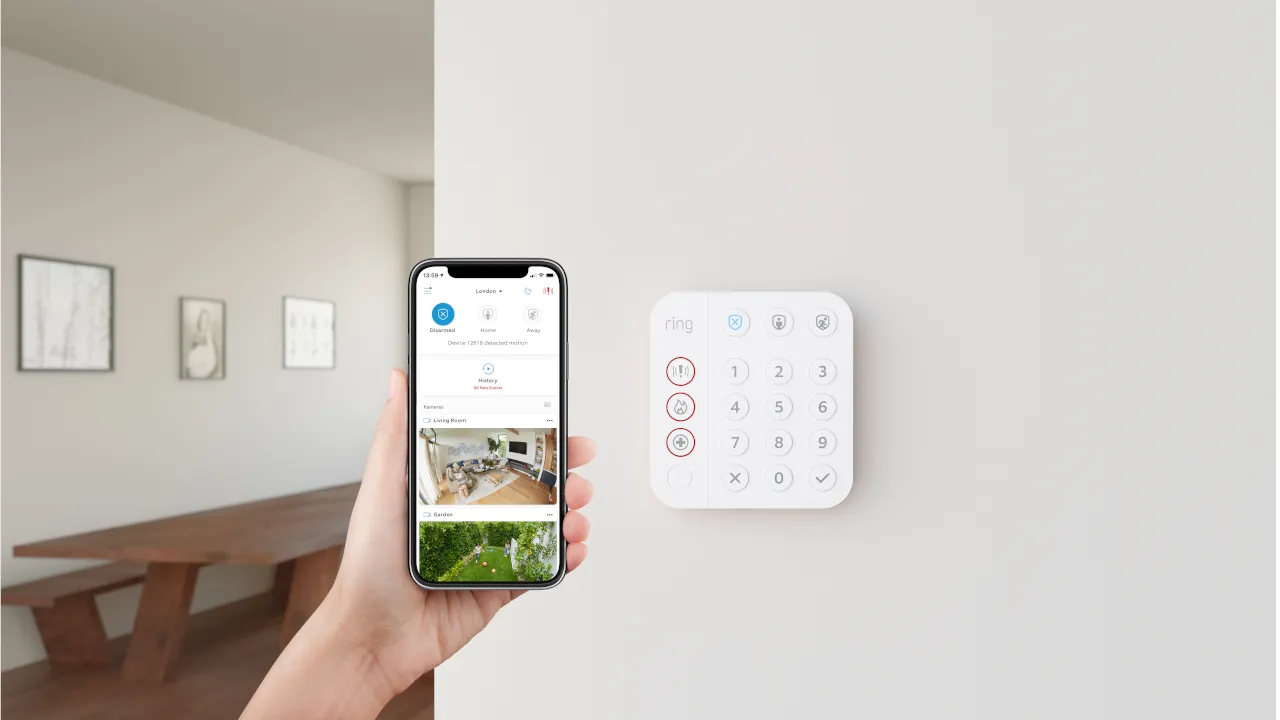
You want to upgrade your front door, but scrolling through the options reveals a massive divide. Half the market relies on standard Wi-Fi, while professional alarm companies almost exclusively insist on Z-Wave technology. When it comes to securing the physical entry points of your house, understanding this divide is critical. Z-Wave is not just a different wireless label on the box. It is a fundamentally different approach to home security that keeps your digital deadbolts locked tight, even when your home internet goes offline.
The Digital Armored Car Analogy
Think of standard Wi-Fi like a busy public bus system. It carries a massive amount of data, but everyone is riding together, and traffic jams are common. Z-Wave operates like a private armored car fleet. It travels on a completely separate, low-frequency radio band. Because Z-Wave devices do not share space with your laptops or streaming televisions, their signals never get delayed by heavy internet use. When you press the lock button on your phone, the command travels instantly down that private, uncrowded lane.
Total Local Control Without The Cloud
The biggest flaw with most Wi-Fi locks is their reliance on remote cloud servers. If your home internet drops, or the manufacturer server goes down, you might lose the ability to control your door from your phone. Z-Wave deadbolts, like the Yale Assure Lock 2 Z-Wave, talk directly to a local smart hub inside your house. This means your automations run locally. If your internet service provider experiences an outage, your evening routine will still automatically lock the front door at night.
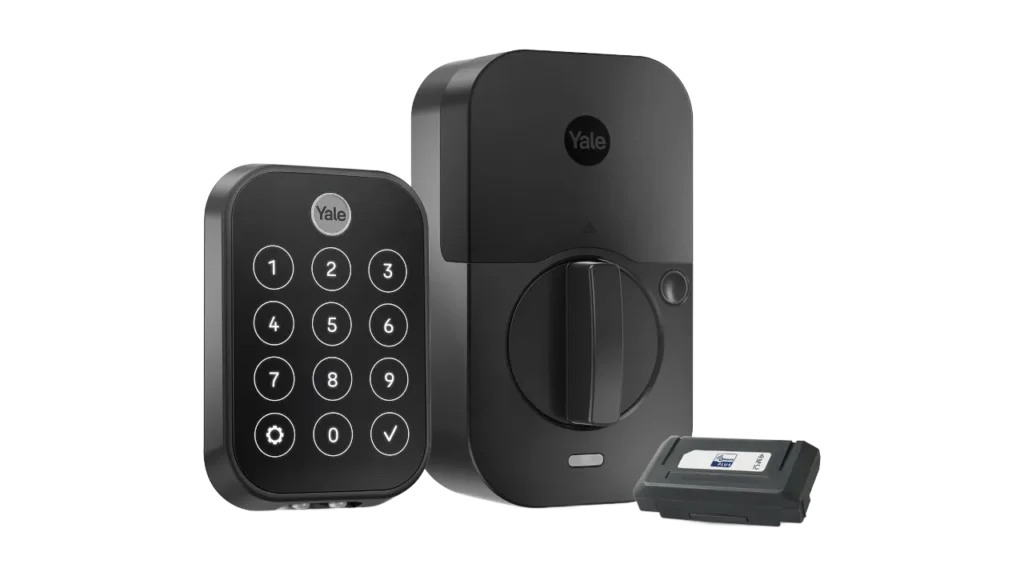
Image Credit: Yale
The S2 Security Standard Explained
Security is the entire point of a deadbolt, so it is worth knowing what protects the wireless side. Modern Z-Wave locks use a framework called Security 2, or S2. It has been mandatory for every Z-Wave device certified since April 2, 2017, so a current lock ships with it by default rather than as an optional extra.
S2 does three things that matter at your front door:
- Every command is encrypted. Someone sitting outside with a radio scanner sees noise rather than instructions.
- Replay attacks are blocked. Messages carry a counter, so a recorded unlock signal cannot simply be played back later.
- Pairing is verified. Adding a lock requires the Device Specific Key printed on the unit or its QR sticker, which stops anyone from inserting themselves during setup.
No wireless standard is unbreakable, and researchers keep testing all of them. What S2 does is close off the easy attacks that made early smart locks a poor bet. In practice, a front door is still far more likely to be defeated by a crowbar or a badly installed strike plate than by radio. This is why consumer alarm systems from companies like Ring lean heavily on Z-Wave components.
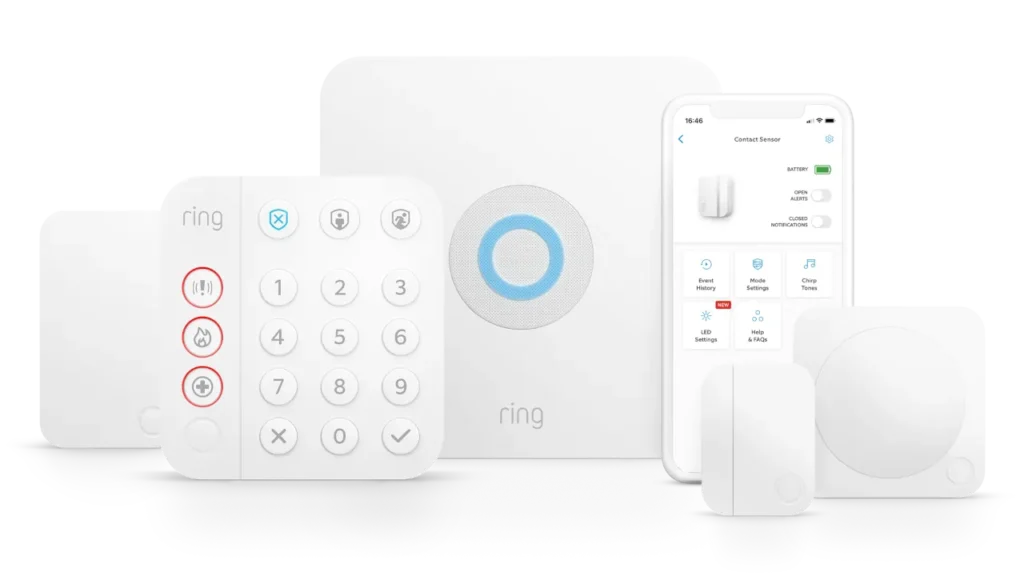
Image Credit: Ring
Massive Battery Life Improvements
Wi-Fi chips consume a massive amount of electricity. Maintaining a constant connection to your internet router will drain four AA batteries incredibly fast. Z-Wave chips are engineered to sleep deeply and wake up instantly, consuming almost zero power while idle. This efficiency is the best way to stop smart lock battery drain. A standard Wi-Fi lock might need new batteries every three months, while a comparable Z-Wave model can easily last over a full year on a single set.
Image Credit: Ring (Lifestyle Photo)