
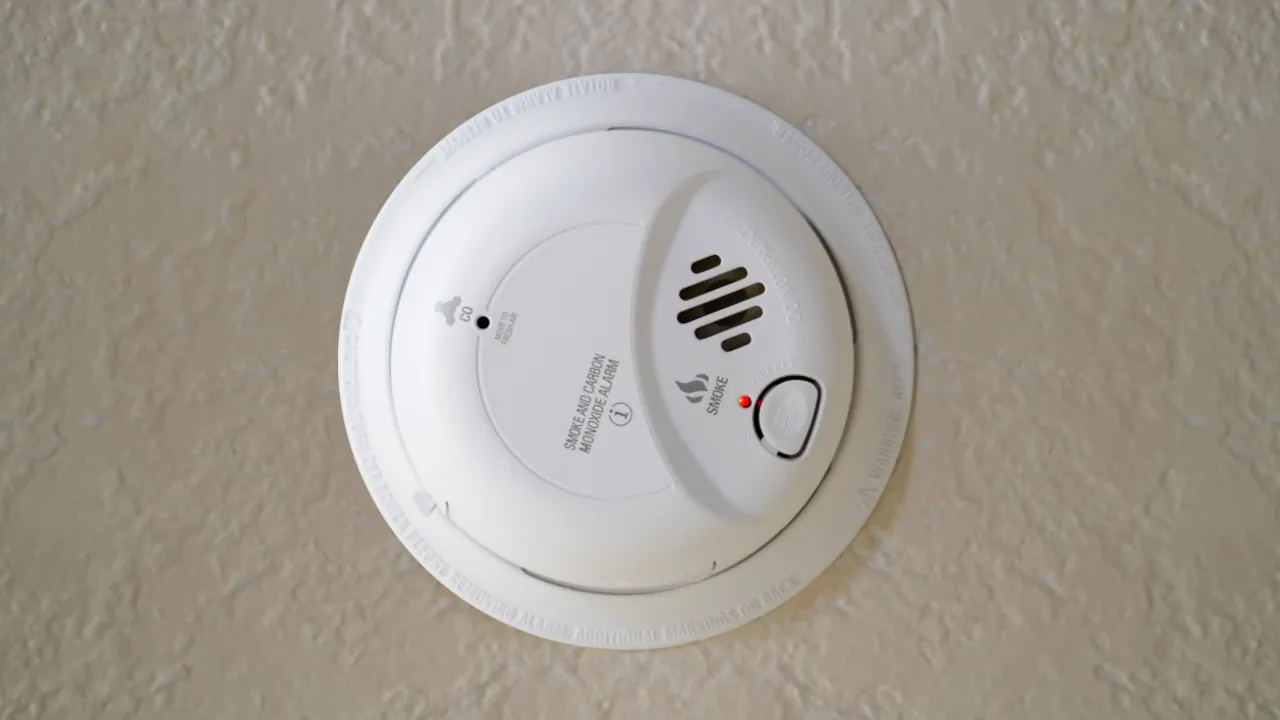
Carbon monoxide has no smell, no color, and no warning signs you can see or feel until it is already affecting you. A standard battery alarm only helps if someone is home to hear it chirp. A smart carbon monoxide detector solves that gap by sending an instant alert straight to your phone, whether you are at work, asleep upstairs, or three states away on vacation. Picking the right model, and putting it in the right spot, makes the difference between a device that actually protects your family and one that just sits on a wall doing nothing useful.
What to Look For in a Smart CO Detector
Not every smart CO detector works the same way, so it helps to know what actually matters before you compare specific models.
- Connection method: Some detectors connect directly to your home Wi-Fi and need no separate hub. Others rely on a Z-Wave, Zigbee, or Matter connection through an existing smart home hub, so check what you already own before you buy.
- Sensor type: Most modern units use an electrochemical sensor, which reacts specifically to carbon monoxide rather than general air particles. This is what gives you an accurate reading instead of a vague warning.
- Combo versus standalone: Many detectors bundle smoke and CO detection into one unit. A standalone CO-only detector makes sense if your smoke alarms already work well and you simply want dedicated CO coverage.
- Power source: Battery models are easy to place anywhere, while hardwired models draw continuous power and typically include a battery backup for outages.
The Difference Between Air Quality Monitors and CO
Before you shop, it is worth clearing up a common point of confusion. If you already track your indoor environment, as covered in our guide on choosing the right air quality sensor for every room. You might assume that device also covers carbon monoxide, it usually does not. Air quality monitors are built to track ongoing, fluctuating levels of things like humidity, VOCs, and particulate matter, giving you a sense of comfort and trends over time. A carbon monoxide detector serves a completely different purpose. It is a dedicated life-safety device built to sound an alarm the moment CO reaches a dangerous concentration, not to track slow changes in your air over the course of a day.
As you plan your setup, and as discussed in our guide on building a smart home on any budget, think about which ecosystem you already use before choosing a model.
Best for Google Home Users
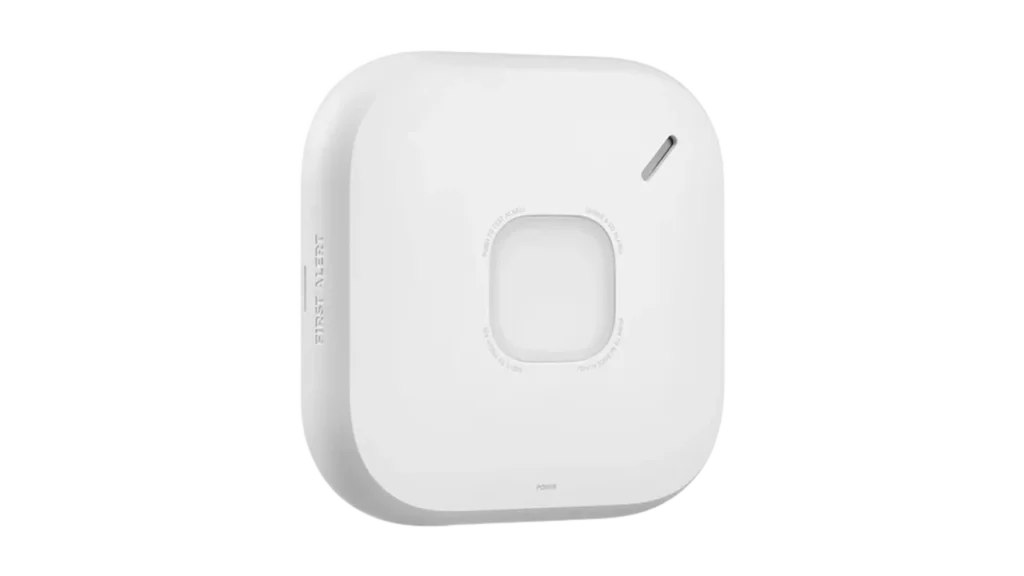
Image Credit: First Alert
The First Alert SC5 is built specifically to replace the discontinued Nest Protect, working directly through the Google Home app with spoken voice alerts and Precision Detection Technology to reduce false alarms.
Pros:
- Official replacement for the discontinued Nest Protect.
- Works natively through the Google Home app.
- Voice alerts announce the type and location of danger.
Cons:
- Requires a Google account to unlock smart features.
- Costs more than a basic battery-only alarm.
Who it is for: Households already running Google Home who want a direct, like-for-like Nest Protect replacement.
Best Overall Value
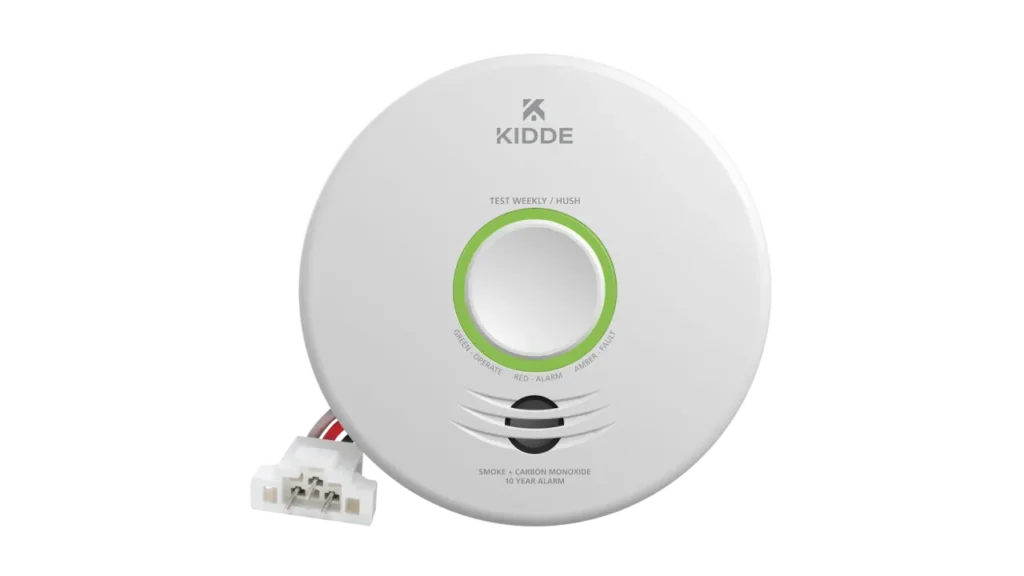
Image Credit: Kidde
The Kidde Smoke and Carbon Monoxide Alarm works with both Alexa and Google Assistant, sending mobile alerts through the Kidde app while its enhanced sensing technology cuts down on cooking-triggered false alarms.
Pros:
- Compatible with both Alexa and Google Assistant.
- Backed by North America’s most installed fire safety brand.
- Reduces nuisance alarms triggered by cooking.
Cons:
- Full smart features require the separate Kidde app.
- Initial Wi-Fi setup takes a few extra steps.
Who it is for: Households wanting broad voice assistant support without being locked into one single smart home ecosystem.
Best for Z-Wave and Ring Users
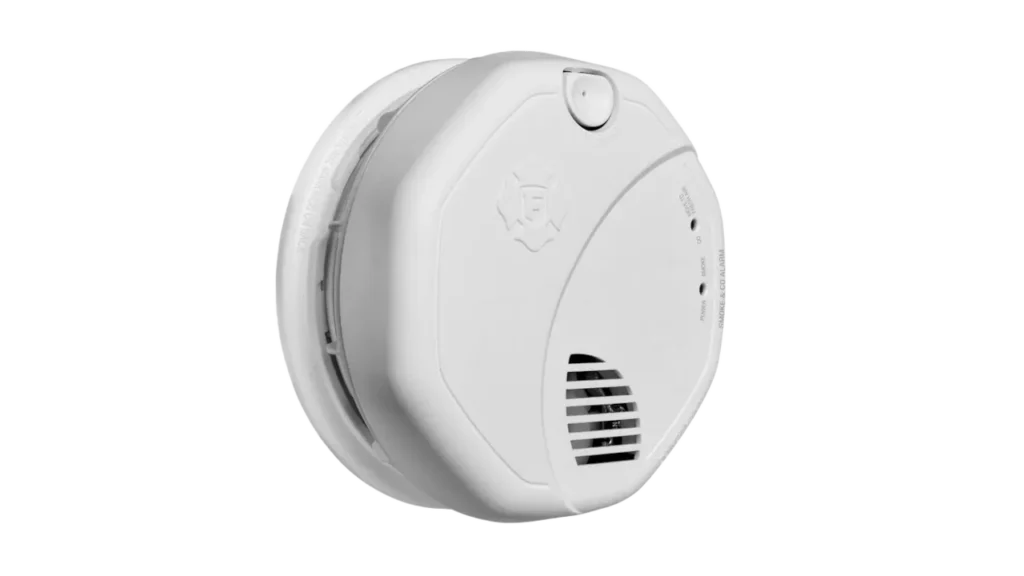
Image Credit: First Alert
The First Alert Z-Wave Plus connects natively to a Z-Wave hub such as Ring Alarm, running on standard batteries with alerts routed straight through the hub app you already use.
Pros:
- Connects natively to Ring Alarm and other Z-Wave hubs.
- Runs on standard batteries.
- Needs no separate app account of its own.
Cons:
- Requires a compatible Z-Wave hub for smart alerts.
- Without a hub, it only works as a basic local alarm.
Who it is for: Anyone already running a Ring Alarm or other Z-Wave hub who wants a sensor that plugs straight in.
Best Standalone CO-Only Option
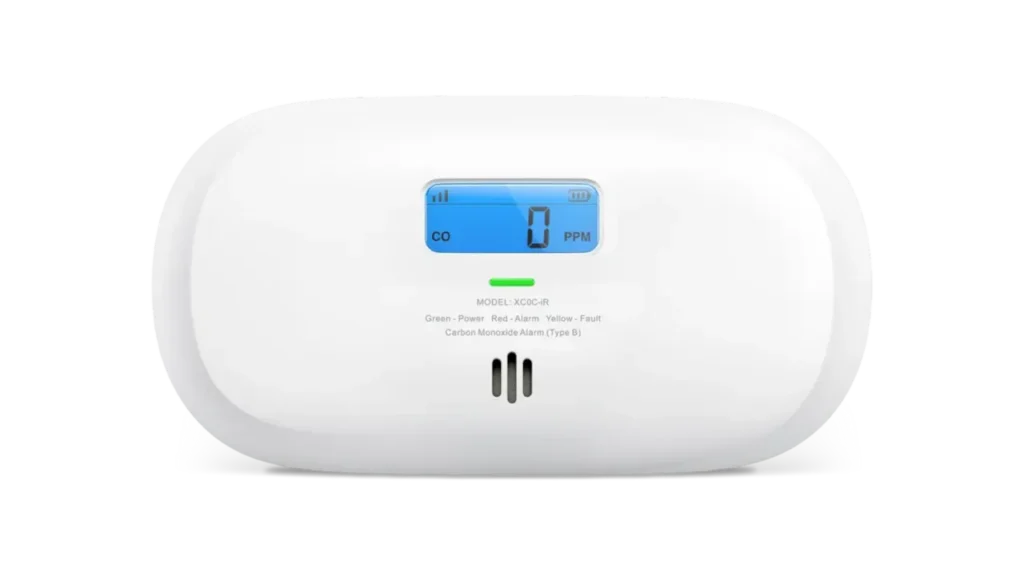
Image Credit: X-Sense
The X-Sense XC0C-iR connects straight to 2.4GHz Wi-Fi with no hub required, showing live CO concentration in parts per million on its own built-in display.
Pros:
- No hub required, connects directly to Wi-Fi.
- Displays live CO concentration on the unit itself.
- Sensor rated for a ten-year lifespan.
Cons:
- Detects carbon monoxide only, not smoke.
- Battery is replaceable rather than sealed for life.
Who it is for: Homes with reliable smoke detectors already in place that just need a dedicated CO sensor.
Best for Speaking Matter
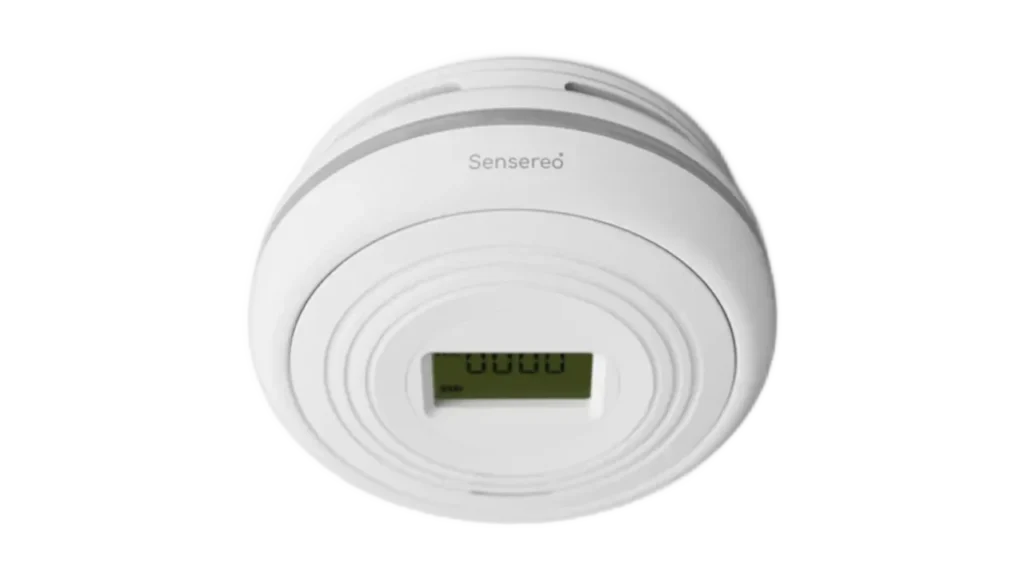
Image Credit: Sensereo
The Sensereo MSC-1 takes a different approach from the other picks on this list, rather than locking into one app or one ecosystem, it speaks Matter over Thread. The connectivity standard built specifically so a single device can work across Apple Home, Samsung SmartThings, Google Home, and Home Assistant. If you want to understand why that matters for your setup, read our guide on why your smart home needs Matter and Thread
Pros:
- Genuinely cross-platform rather than tied to one ecosystem.
- Combines smoke and CO detection with a live PPM display.
- Still works as a standalone alarm with no smart connection.
Cons:
- Requires a Thread Border Router already on your network.
- Newer brand, without First Alert or Kidde’s track record.
Who it is for: Apple Home or SmartThings households left out of the other picks, especially anyone who already has a Thread Border Router running.
Where to Place Your Smart CO Detector
Even the best smart sensor does little good in the wrong spot. Carbon monoxide mixes evenly with air rather than rising like smoke or sinking like a heavier gas, which gives you some flexibility on height, but a few placement rules still matter.
- Focus on sleeping areas: Place a detector within 10 to 15 feet of every bedroom door, so the alarm has the best chance of waking everyone if it triggers overnight.
- Cover every level: Install at least one detector on every floor of the house, including a finished basement.
- Keep distance from appliances: Position detectors at least 15 to 20 feet away from fuel-burning appliances like gas stoves, water heaters, and furnaces, since placing one too close can trigger false alarms when those appliances start up normally.
Common Placement Mistakes to Avoid
- Near open windows or fans: Strong airflow can blow carbon monoxide away from the sensor and delay detection.
- In humid rooms: Bathrooms and unventilated laundry rooms can introduce moisture that interferes with the internal sensor.
- Behind furniture or in cabinets: A detector needs open airflow to sample the room accurately, so avoid hiding it behind curtains or inside a cabinet.